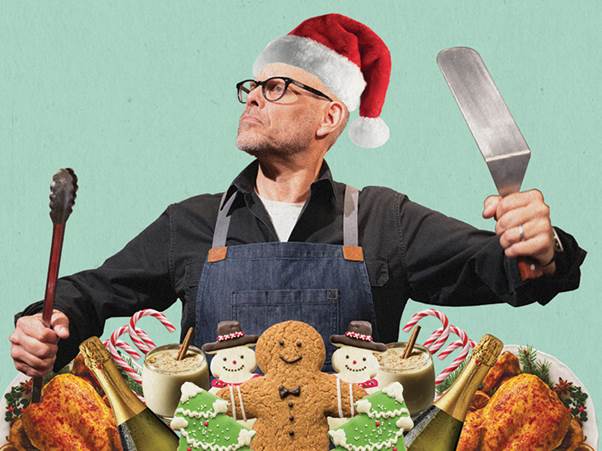

In the universe of food television, populated by celebrity chefs and restaurant moguls, Alton Brown stands apart as a unique hybrid of culinary expert, science communicator, and entertainment innovator. With an estimated net worth of $13 million, Brown has built his fortune not by opening a chain of restaurants or endorsing supermarket products, but by becoming America’s favorite culinary explainer. His wealth is the product of intellectual property ownership, a multi-platform content strategy, and a fiercely guarded intellectual curiosity that transformed how a generation understands the “why” behind the “what” of cooking. From deconstructing the science of a pancake to touring the nation with a live culinary variety show, Brown’s journey to a $13 million net worth is a masterclass in building a sustainable, respected, and highly profitable brand centered on knowledge, wit, and undeniable authority. This deep dive explores the pillars of his empire, revealing how a filmmaker turned food geek became one of the most influential and financially successful personalities in gastronomic media.

Early Career: From Filmmaker to Food Geek
Alton Brown’s path to culinary stardom was anything but linear. He began his professional life in the film industry, working as a cinematographer and director for commercials and music videos in the 1980s and early 1990s. This background proved to be the secret ingredient in his future success. Frustrated by the state of food television, which he found lacking in both useful information and entertaining presentation, he decided to create the show he wanted to see. He enrolled in the New England Culinary Institute to gain formal training, not to become a restaurant chef, but to acquire the credibility needed to be a food educator. This combination of cinematic skill and culinary knowledge became the foundation for his entire brand: the ability to make food science engaging and accessible through high-quality production and storytelling.
Good Eats: The Foundation of a $13 Million Fortune
The absolute cornerstone of Alton Brown’s wealth and fame is the creation and ownership of Good Eats, which aired from 1999 to 2012 (and was later revived).
- The Revolutionary Concept: Good Eats was a radical departure from any cooking show that had come before it. It blended cooking, science history, and sketch comedy into a unique educational format. Brown didn’t just demonstrate recipes; he deconstructed them, explaining the chemical reactions and physical principles at work.
- Ownership and Syndication: Crucially, Brown owned the show through his production company, Be Square Productions, Inc. This is the single most important factor in his net worth. Instead of being a host-for-hire earning a salary, he was the creator, writer, and host who owned the intellectual property. The show’s enduring popularity in syndication on The Cooking Channel and streaming platforms (including its own dedicated food network) means it continues to generate significant licensing royalties for him years after production ended. This ownership of a valuable, evergreen content library provides a continuous and substantial passive income stream.
Television Hosting and Appearances: The Mainstream Platform
While Good Eats was his creation, his role as a host on other networks expanded his reach and income.
- Iron Chef America and Cutthroat Kitchen: For over a decade, Brown served as the witty, knowledgeable commentator on Iron Chef America and the mischievous host of Cutthroat Kitchen. These roles on major Food Network franchises would have come with high six-figure or even seven-figure annual salaries, providing a massive and steady income during those years.
- Food Network Star: His time as a mentor on Food Network Star further solidified his status as the network’s intellectual authority and added another healthy paycheck to his portfolio.
The Live Tour: Converting Fame into Direct Revenue
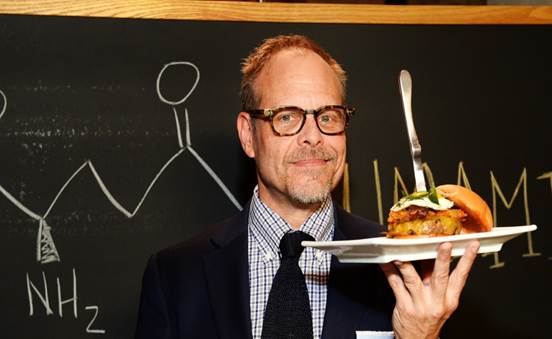
A significant and innovative component of Brown’s wealth generation is his touring live show.
- The “Edible Inevitable” Tour and Beyond: Brown transformed his brand into a live theatrical experience, part cooking demo, part science experiment, and part stand-up comedy routine. These tours, playing large theaters across the country, are highly profitable. With ticket prices often ranging from $50 to $150, a successful tour can gross millions of dollars. After accounting for costs, this represents a major direct-to-fan revenue stream that he controls completely.
Publishing: The Bestselling Author
Brown is a prolific and successful author, with his cookbooks often reflecting the scientific and curious nature of his television work.
- “I’m Just Here for the Food” and “EveryDayCook”: His books are consistent bestsellers. The James Beard Award-winning I’m Just Here for the Food is considered a modern culinary classic. Advances and royalties from over a dozen books have contributed millions to his net worth.
- Culinary Authority: His books reinforce his brand as an educator and drive his audience to his other ventures, from live shows to his podcast.
Podcasting and Digital Media: Owning the Conversation
In keeping with his ethos of direct connection and ownership, Brown has embraced digital media.
- The Alton Browncast: His podcast allows him to engage directly with his audience, answer complex culinary questions, and promote his projects without a network intermediary. While likely not a primary income source, it strengthens his community and provides advertising revenue.
- Social Media and Web Content: His active and humorous presence on platforms like Instagram and Twitter allows him to maintain relevance and promote his tours and books directly to his fans, effectively cutting out the middleman.
Endorsements and Product Development: Selective Partnerships
Unlike many TV chefs, Brown has been highly selective with endorsements, choosing only those that align perfectly with his brand of curiosity and quality.
- Vollrath: He has partnered with the cookware company Vollrath, helping to design and promote a line of products. This aligns with his image as a equipment expert who cares about function and design.
- Vita-Mix: His endorsement of high-performance blenders makes sense for a host who emphasizes the science of pureeing and emulsifying.
These partnerships are lucrative but curated, ensuring they enhance rather than dilute his reputation for integrity.
Personal Life and Financial Philosophy
Brown is known for a relatively private and modest lifestyle compared to his net worth. He has been open about his past financial mistakes and has adopted a philosophy of living debt-free. This financial prudence has likely played a key role in preserving and growing his wealth. He invests in his passions, which include collecting and restoring vintage motorcycles and cars, but these are as much hobbies as investments.
Philanthropy
He supports various causes, often related to education and food sustainability. His philanthropic efforts enhance his public image as a thoughtful and responsible figure.
The Value of Intellectual Culinary Property
Alton Brown’s $13 million net worth is a testament to a strategy built on ownership and expertise:
- IP Ownership (Good Eats): The foundational asset. Owning his flagship show ensures he continues to profit from his most famous work indefinitely.
- Leveraging Authority: Using his hard-earned credibility to secure high-profile, high-paying hosting gigs on network television.
- Direct-to-Fan Monetization: Creating highly profitable live tours that convert his fame into revenue he controls directly.
- Publishing Success: Extending his brand through bestselling books that reinforce his role as an educator.
Alton Brown is not just a food celebrity; he is a content inventor and owner. His net worth proves that in the modern media landscape, there is immense value in building a brand on intelligence and authenticity, and, most importantly, in ensuring you own the rights to the innovative content you create. His fortune is built not on grease, but on gears and gravity—the timeless principles he so brilliantly explained.