

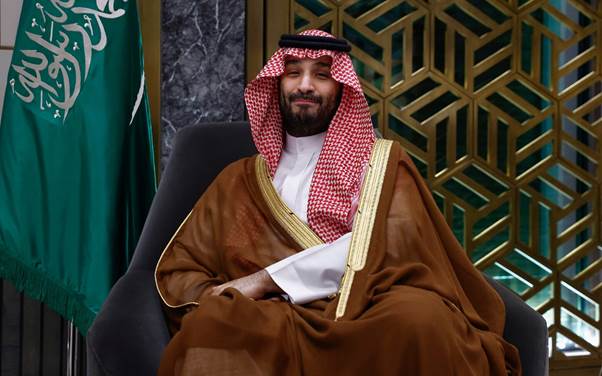
Mohammed bin Salman Al Saud (MBS), the Crown Prince of Saudi Arabia, is one of the most powerful and controversial leaders in the modern Middle East. With an estimated personal net worth of $5 billion, he combines immense inherited royal wealth with personal investments, luxury assets, and political control over one of the world’s richest oil-producing nations. As the de facto ruler of Saudi Arabia, MBS oversees trillions of dollars in state-controlled assets while personally enjoying a lavish lifestyle that includes palaces, superyachts, rare art, and mega-projects. His influence is felt not only in Saudi Arabia but also across global energy markets, finance, and diplomacy.
Early Life and Education
Mohammed bin Salman was born on August 31, 1985, in Riyadh, Saudi Arabia. He is the son of King Salman bin Abdulaziz Al Saud and Fahda bint Falah Al Hithlain, the third wife of King Salman. MBS is the eldest child of his mother and the seventh son of King Salman, giving him both a prominent and competitive position within the sprawling royal family.
From an early age, MBS was known for his ambition and close relationship with his father. He studied law at King Saud University, where he earned a bachelor’s degree. Instead of pursuing further studies abroad like many Saudi royals, he chose to stay in the kingdom and immediately immersed himself in politics and governance.
Early Career and Rise in Government
After graduating, MBS worked in the private sector before joining the Saudi government as a special aide to his father, who at the time was Governor of Riyadh Province. By his mid-20s, he was already serving as an advisor to the Experts Commission, a body that coordinated with the Saudi cabinet on legislative and administrative matters.
His political ascent accelerated when his father’s influence within the royal hierarchy grew. After the death of Crown Prince Sultan in 2011 and Crown Prince Nayef in 2012, Salman became heir apparent to the throne, and Mohammed quickly emerged as one of his closest confidants and advisors.
Becoming Crown Prince
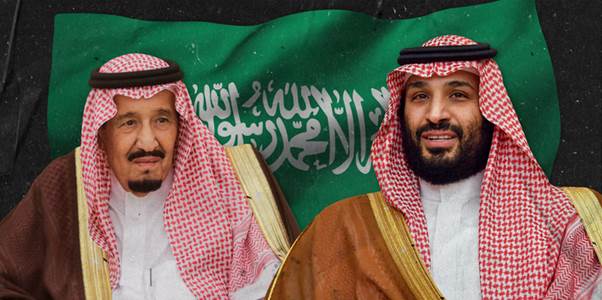
When King Abdullah died in January 2015, Salman ascended to the throne. Almost immediately, Mohammed bin Salman was elevated to positions of enormous power:
- Minister of Defense – taking charge of Saudi Arabia’s military at just 29.
- Deputy Crown Prince in 2015.
- Crown Prince and First Deputy Prime Minister in June 2017.
As Crown Prince, he became the heir presumptive to the Saudi throne and the true day-to-day decision-maker for the kingdom, given his father’s advancing age and health challenges.
Wealth and Net Worth
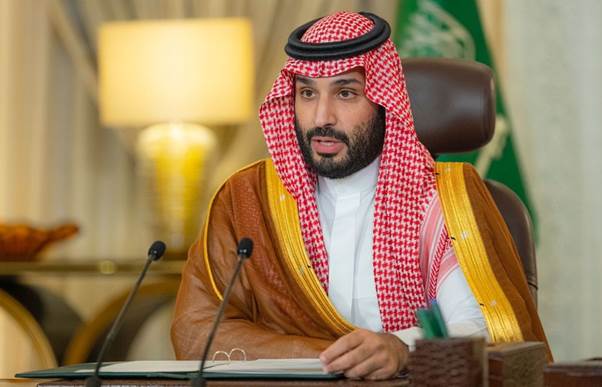
Mohammed bin Salman’s personal net worth of $5 billion is modest compared to the full financial resources of the Saudi state, but his position gives him de facto control over far greater sums. His wealth stems from royal privileges, state salaries, real estate, luxury acquisitions, and private investments.
Luxury Assets
- Chateau Louis XIV (France) – Purchased in 2015 for $299 million, widely described as one of the world’s most expensive homes.
- Superyacht Serene – Bought from Russian vodka magnate Yuri Shefler for $500 million in 2017. The 439-foot vessel is among the most luxurious in the world.
- Salvator Mundi painting – Allegedly purchased for $450 million, though this claim remains disputed.
MBS acknowledged these extravagant purchases in a 2018 interview, stating:
“As far as my private expenses, I’m a rich person and not a poor person. I’m a member of the ruling family that existed for hundreds of years before the founding of Saudi Arabia.”
Vision 2030 and Economic Transformation
One of Mohammed bin Salman’s most ambitious initiatives is Vision 2030, a strategic plan to transform Saudi Arabia’s economy. Recognizing the dangers of oil dependency, the plan aims to diversify revenue streams and foster growth in:
- Tourism – including opening the kingdom to global visitors.
- Technology and AI – through investments in startups and mega-projects.
- Renewable Energy – reducing dependence on fossil fuels.
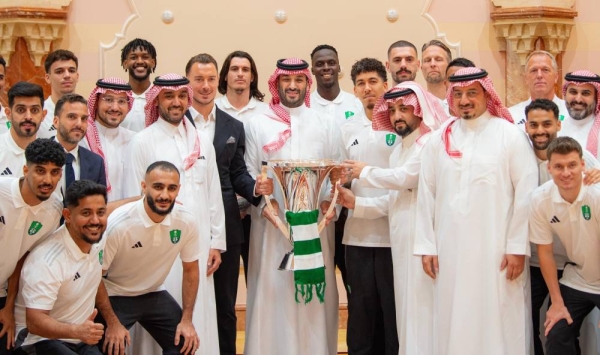
- Entertainment and Sports – constructing theme parks, opening cinemas, and hosting global sporting events.
At the center of this transformation is Neom, a futuristic mega-city on the Red Sea coast, estimated to cost $500 billion. Neom is envisioned as a hub of robotics, biotech, clean energy, and luxury living—a project symbolic of both MBS’s vision and his taste for the grandiose.
Domestic Reforms
Mohammed bin Salman has spearheaded social reforms that once seemed unimaginable in the deeply conservative kingdom:
- Women’s Rights – lifting the ban on female drivers, increasing female workforce participation, and allowing women into sports stadiums.
- Entertainment Industry – opening the first cinema in 35 years, hosting concerts, and encouraging cultural events.
- Moderation Drive – promoting a more “moderate Islam” and curbing the powers of the once-feared religious police.
These moves have earned him praise internationally, especially among Western allies eager to see Saudi Arabia modernize.
Controversies and Criticism
Despite his reforms, MBS is one of the most polarizing global leaders, facing severe criticism for authoritarian practices and alleged human rights abuses.
Ritz-Carlton Purge (2017)
In a sweeping anti-corruption crackdown, hundreds of princes, businessmen, and officials were detained at the Ritz-Carlton Hotel in Riyadh. Detainees, including billionaire Prince Al-Waleed bin Talal, were reportedly coerced into handing over billions in assets. The Saudi government claimed it recovered $107 billion, but critics described the move as both a power consolidation tactic and a money grab.
Yemen Conflict
As Defense Minister, MBS led Saudi Arabia’s intervention in Yemen’s civil war. The campaign, intended to restore the government against Houthi rebels, has been criticized for causing widespread civilian casualties and humanitarian disaster.
Jamal Khashoggi Assassination (2018)
The murder of journalist Jamal Khashoggi inside the Saudi consulate in Istanbul remains the most damaging scandal linked to MBS. U.S. intelligence reports concluded that he personally approved the operation, though MBS has denied direct involvement. The incident drew international condemnation and temporarily strained Saudi relations with Western powers.
Global Influence and Investments
Mohammed bin Salman has positioned Saudi Arabia as a key player in global markets and diplomacy.
- Energy Dominance – As the world’s leading oil exporter, Saudi Arabia under MBS has wielded enormous influence over OPEC policies and global oil prices.
- Technology & Finance – Through the Public Investment Fund (PIF), Saudi Arabia has invested in companies like Uber, Lucid Motors, and SoftBank’s Vision Fund. PIF now manages over $700 billion in assets, and MBS directs its strategy.
- Sports and Entertainment – Saudi Arabia has hosted Formula 1 races, boxing matches, and major concerts. PIF also acquired English football club Newcastle United, a move that boosted Saudi Arabia’s global soft power.
Personal Life
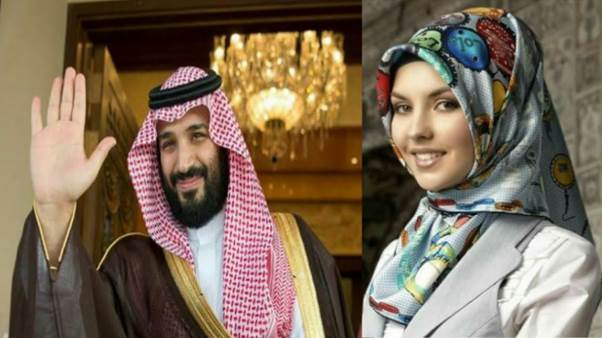
In 2008, MBS married his cousin, Princess Sara bint Mashour bin Abdulaziz Al Saud, with whom he has five children. Known for his love of luxury, art, and travel, he has cultivated relationships with global leaders, celebrities, and tech moguls. He has met with Mark Zuckerberg, Michael Bloomberg, Queen Elizabeth II, and multiple U.S. presidents, blending political diplomacy with business outreach.
Legacy and Future
At only 40 years old, Mohammed bin Salman is expected to rule Saudi Arabia for decades. His dual legacy is already being defined:
- Reformer – credited with liberalizing society, empowering women, and diversifying the economy.
- Strongman – accused of consolidating power through repression, controversial purges, and alleged human rights abuses.
Financially, his $5 billion net worth reflects only a fraction of the resources at his disposal. As head of the Saudi state and steward of the kingdom’s multi-trillion-dollar oil wealth and sovereign funds, his real financial influence is immeasurable.
Mohammed bin Salman’s story is one of wealth, ambition, reform, and controversy. With a net worth of $5 billion, a half-trillion-dollar vision for the future, and effective control over Saudi Arabia’s oil and investment empires, MBS is arguably one of the most powerful individuals in the world today. Whether his legacy is remembered as that of a visionary modernizer or an authoritarian ruler will depend on the long-term success of his reforms—and his ability to balance power with accountability in the years to come.