
Few political careers in modern America have risen so quickly — and collapsed so spectacularly — as that of Rod Blagojevich, the former governor of Illinois. Once seen as a charismatic rising star in the Democratic Party, Blagojevich’s career was derailed in 2008 when he was arrested on federal corruption charges. What followed was a dramatic trial, impeachment, prison sentence, and a fall from grace that turned him into both a cautionary tale and a household name.

But beyond the courtroom headlines and the late-night comedy punchlines, there’s another side to Blagojevich’s story: his finances. Once earning a governor’s salary and enjoying the benefits of public office, Blagojevich now has a net worth estimated at just $100,000. For a man who once held one of the most powerful positions in state politics, that number tells a story of not just scandal but also the long-term consequences of financial mismanagement and reputational damage.
This article takes a deep dive into Rod Blagojevich’s net worth, tracing his journey from modest beginnings, to political power, to financial hardship, and finally to life after prison.
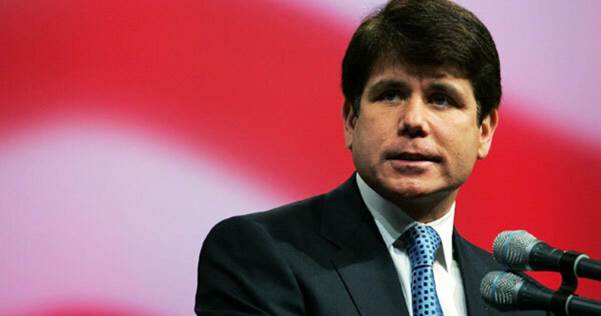
Early Life and Humble Roots
Rod Blagojevich was born on December 10, 1956, in Chicago, Illinois, to immigrant parents. His father, Radislav, was a Serbian immigrant who worked as a laborer for the steel industry, while his mother, Mila, held various jobs to support the family. Growing up in a working-class household on Chicago’s northwest side, Blagojevich understood financial limitations from an early age.
He wasn’t born into wealth or privilege, but he did have ambition. After graduating from Lane Technical High School, he attended the University of Tampa on a partial scholarship before transferring to Northwestern University, where he studied history. He later earned a law degree from Pepperdine University School of Law in California.
His early years reflect a familiar story: a young man from modest means who saw education and politics as a way to move up in life. But unlike some politicians who built significant wealth before entering public service, Blagojevich’s finances were always closely tied to his political career.

Early Career and Political Ascent
Before becoming governor, Blagojevich worked as a prosecutor in Chicago, gaining recognition for his trial work. He soon transitioned into politics, winning a seat in the Illinois State Legislature in 1992. Six years later, he moved up to the national stage when he was elected to the U.S. House of Representatives, representing Illinois’ 5th district.
As a congressman, Blagojevich earned a salary of around $145,000–$150,000 per year, which allowed him to live comfortably but not lavishly. His congressional role also connected him with powerful Democratic figures in Chicago, including then-Mayor Richard M. Daley.
Blagojevich’s big leap came in 2002, when he ran for governor of Illinois and won. At 46 years old, he became the first Democrat in nearly three decades to hold the office. His annual salary as governor was $150,700, placing him among the better-paid state officials in the country.
At this point, his net worth began to grow modestly. He owned a home in Chicago, earned a six-figure salary, and enjoyed the perks of political power. But unlike some governors who parlayed their office into book deals or corporate board seats, Blagojevich’s wealth remained tied primarily to his paycheck.
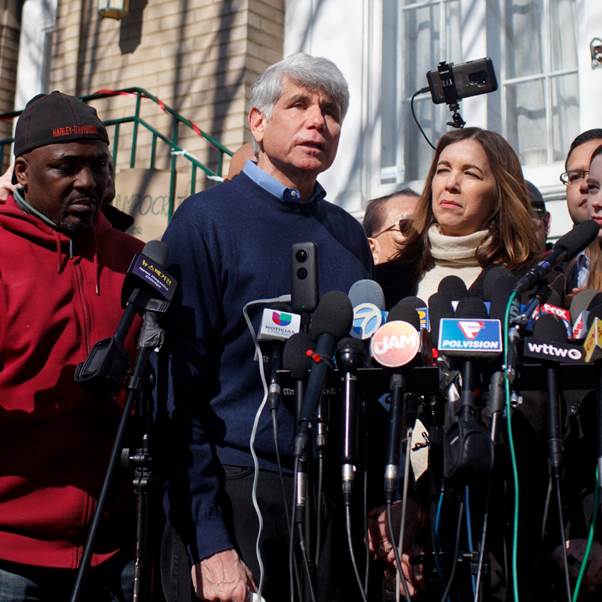
The Scandal That Changed Everything
In December 2008, Blagojevich was arrested on federal corruption charges that shocked the nation. The most explosive allegation was that he attempted to “sell” the U.S. Senate seat vacated by Barack Obama, who had just been elected President. The FBI wiretaps captured him discussing the seat in blunt, transactional terms, at one point saying:
“I’ve got this thing and it’s [expletive] golden. I’m not just giving it up for nothing.”
The scandal consumed his governorship and led to his impeachment in January 2009 — making him the first Illinois governor to be impeached and removed from office.
Blagojevich’s legal troubles drained his finances. Mounting attorney fees, coupled with the loss of his governor’s salary, pushed him into financial freefall. By the time he went to trial in 2010 and again in 2011 (after the first ended in a mistrial on most counts), his family’s finances were under severe strain.
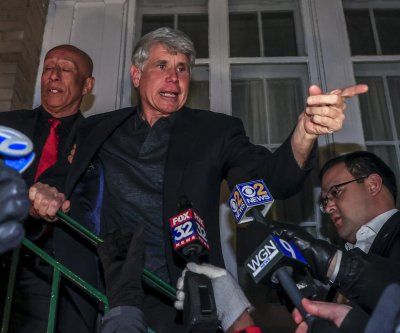
Prison Sentence and Financial Collapse
In December 2011, Blagojevich was sentenced to 14 years in federal prison after being convicted on 17 counts, including wire fraud, attempted extortion, and conspiracy to solicit bribes. He reported to a federal prison in Colorado in March 2012.
During his years behind bars, Blagojevich earned almost nothing. Prison wages for simple jobs such as cleaning or working in the kitchen typically range from 12 cents to 40 cents an hour. For a former governor used to a six-figure salary, the contrast could not have been starker.
Meanwhile, his wife, Patti Blagojevich, tried to keep the family afloat financially. At one point, she appeared on a season of the reality show I’m a Celebrity…Get Me Out of Here! to earn money. The family also relied on contributions from friends and supporters.
By the time Blagojevich entered prison, his debts far outweighed his assets. Legal fees, lost income, and the collapse of his political career combined to all but wipe out his personal wealth.
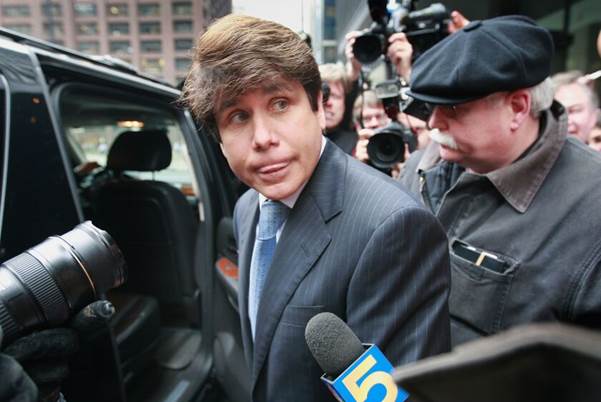
Life After Prison
Blagojevich’s story took another dramatic turn in February 2020, when President Donald Trump commuted his sentence after he had served nearly eight years. Walking out of prison with his famously thick head of silver hair, he declared himself a “Trumpocrat” and thanked the president for giving him back his freedom.
But freedom didn’t mean financial security. By most estimates, his net worth today sits at around $100,000 — a modest sum for someone who once held the most powerful office in Illinois.
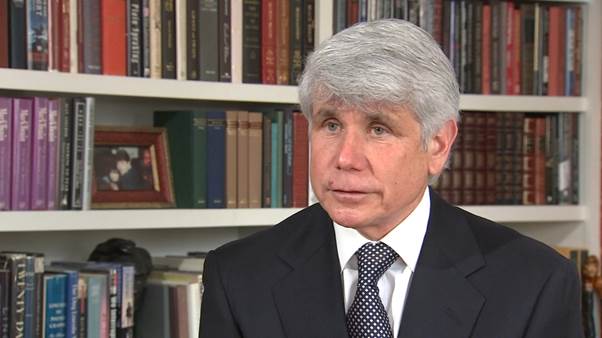
Since leaving prison, Blagojevich has tried to rebuild his life and income. He has made media appearances, worked on a podcast, and even started a YouTube channel where he shares political commentary. But unlike other disgraced politicians who secured lucrative consulting or lobbying gigs, Blagojevich’s felony conviction has limited his professional opportunities.
The Public Image Problem
One of the biggest obstacles to Blagojevich rebuilding his finances is his reputation. While some politicians manage to rebrand themselves after scandal, Blagojevich’s case remains one of the most infamous in recent history.
Public perception has also limited his ability to monetize his story. A book deal or speaking tour could have been a potential source of income, but publishers and organizations have been reluctant to associate with his name. He remains a polarizing figure — admired by some for his resilience, but largely viewed as a symbol of political corruption.
Comparing Blagojevich’s Wealth to Other Politicians
To put his $100,000 net worth in perspective, it’s worth noting that many of his former colleagues in the Senate and governorships are millionaires. The average senator’s net worth is estimated at over $2 million, while governors often leverage their offices into post-political careers in lobbying, corporate boards, or media.
Blagojevich, by contrast, has seen his financial opportunities narrow rather than expand. His story illustrates how quickly fortunes can collapse in the wake of scandal — especially when combined with hefty legal costs and the loss of political capital.
Family and Support System
Throughout his ordeal, Blagojevich’s wife Patti and their two daughters have been his support system. The family endured public humiliation and financial strain during his imprisonment, but they remained by his side.
It’s worth noting that Patti also came from a prominent political family: her father, Richard Mell, was a powerful Chicago alderman. However, even these political connections could not shield the Blagojeviches from financial hardship.
Today, Blagojevich often emphasizes family life in his public appearances, presenting himself as a devoted husband and father trying to rebuild.

Potential Future Earnings
Although Blagojevich is unlikely to return to politics — his felony conviction bars him from holding public office in Illinois — he may still find ways to increase his net worth in the future.
Potential avenues include:
- Media and commentary: His notoriety gives him name recognition, which could be monetized through podcasts, online platforms, or television appearances.
- Book deals: While publishers have been cautious, a memoir about his rise and fall could still find an audience.
- Speaking engagements: Some organizations might pay for him to speak on corruption, resilience, or lessons from politics.
Still, these opportunities are limited compared to what might have been available had his career not imploded.
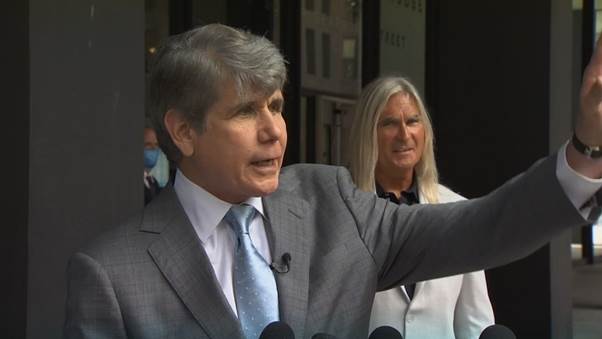
Rod Blagojevich’s net worth of $100,000 is more than just a financial statistic — it’s a symbol of how scandal can unravel a career and erase wealth in the blink of an eye. From a working-class upbringing to the governor’s mansion, from federal prison back to his Chicago home, his journey underscores both the fragility of political success and the lasting impact of corruption.
While some might see his modest net worth as fitting justice for his actions, others view his story as a cautionary tale of how ambition, power, and poor judgment can cost a person not just their freedom but also their financial security.
Whether Blagojevich finds a way to rebuild his fortune remains uncertain. For now, his financial legacy is one of squandered opportunity — a reminder that wealth and power, once lost, are not easily regained.