
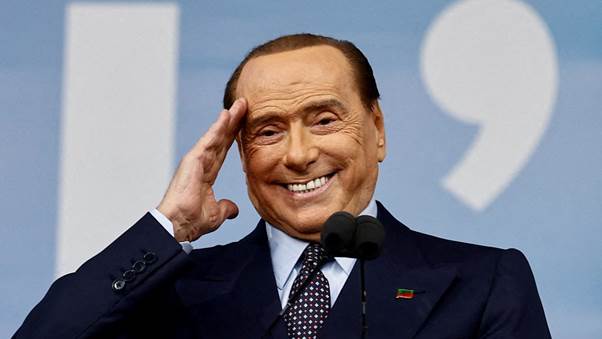
Silvio Berlusconi remains one of the most recognizable and polarizing figures in modern Italian history. To some, he was a visionary entrepreneur who transformed Italy’s media industry, revived a struggling football club, and gave Italians a sense of modernity and flair on the world stage. To others, he was a symbol of unchecked ambition, political scandals, and the pitfalls of mixing wealth with governance.
No matter the viewpoint, one fact is indisputable: Berlusconi built an extraordinary fortune. At the time of his passing in 2023, his net worth was estimated at $8.5 billion, placing him among the richest political figures of the modern era. His empire spanned construction, real estate, television, publishing, banking, and sports, and he managed to hold onto his wealth even while navigating endless controversies.
This article takes an in-depth look at how Berlusconi accumulated his fortune, how his businesses fueled his political rise, and why his story continues to captivate Italy and the world.
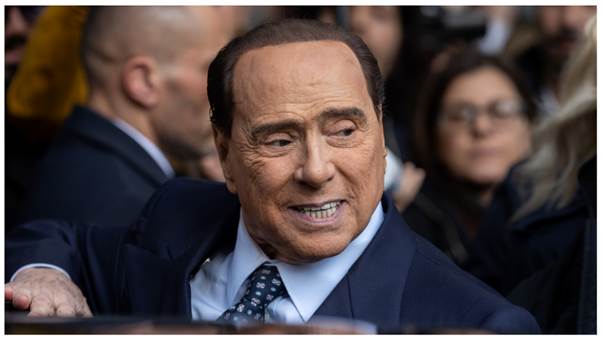
Humble Roots and Early Drive
Silvio Berlusconi was born on September 29, 1936, in Milan, into a modest middle-class household. His father, Luigi, worked as a bank clerk, while his mother, Rosa, was a homemaker. Unlike the heirs of aristocratic dynasties or old-money industrial families, Berlusconi started with very little.
From a young age, Berlusconi displayed unusual charm and energy. He was known for his persuasive speaking skills, musical talent, and ability to make people laugh. During his university years at the University of Milan, where he studied law, he paid his way by performing on cruise ships and working odd jobs. He even sold vacuum cleaners door-to-door — a far cry from the billionaire status he would later achieve.
These experiences sharpened two traits that would define his career: his salesmanship and his showman’s instinct. Berlusconi quickly realized that success wasn’t just about having capital — it was about knowing how to sell dreams.
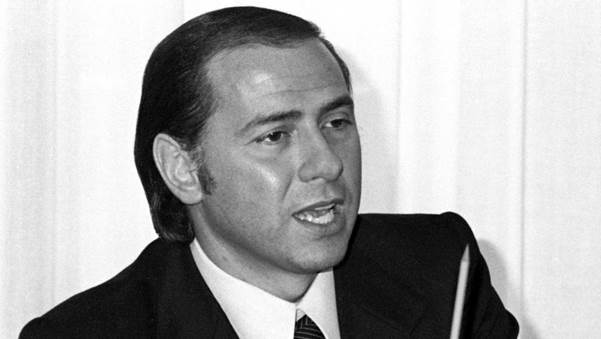
The First Millions: Construction and Real Estate
Berlusconi’s real breakthrough came in the 1960s, when he launched a construction company called Edilnord. At the time, Italy was experiencing an economic boom, with thousands of families moving into urban areas in search of work. Berlusconi spotted an opportunity to build modern residential complexes on the outskirts of Milan, catering to the emerging middle class.
His biggest early success was the Milano Due project, a suburban development with not just apartments but parks, shops, and recreational spaces. Unlike the drab public housing projects of the era, Berlusconi’s developments were marketed as aspirational communities. Buyers weren’t just purchasing a home; they were buying into a lifestyle.
The success of Edilnord gave Berlusconi his first taste of real wealth. By the early 1970s, he was a millionaire, but more importantly, he had laid the groundwork for his entry into media.
Building a Media Empire
Berlusconi’s genius was realizing that real estate alone would not sustain his ambitions. In the early 1970s, he launched a small cable television station in Milano Due, originally designed to provide entertainment for residents of his housing development. That modest experiment evolved into Telemilano, which he soon expanded beyond the neighborhood.
By the late 1970s and early 1980s, Berlusconi founded Fininvest, the holding company that became the backbone of his empire. Through Fininvest, he acquired multiple local stations and combined them into a nationwide network that would later become Mediaset, Italy’s largest private television broadcaster.
At a time when the state-owned RAI dominated Italian television, Berlusconi’s channels were a revelation. They were colorful, flashy, and filled with glamorous variety shows, sitcoms, imported American series, and football matches. Italians fell in love with this new form of entertainment, and advertisers flocked to his channels.
Mediaset generated billions in revenue and turned Berlusconi into Italy’s undisputed media king. He later expanded into publishing by acquiring Mondadori, Italy’s biggest publishing house, giving him dominance over both television and print media.
With this empire, Berlusconi didn’t just make money — he gained influence. His television networks became a direct line into Italian living rooms, giving him a platform that would later prove invaluable in politics.
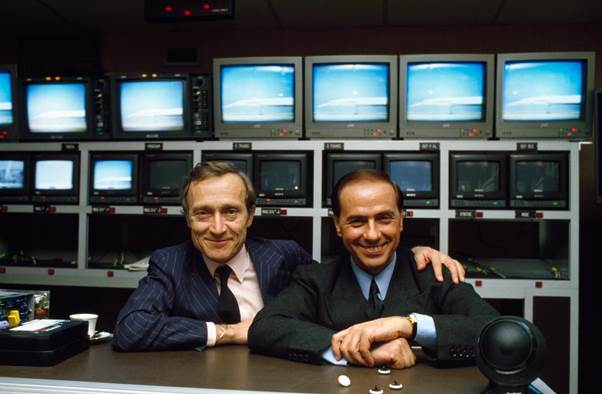
AC Milan: Turning Sports into Power
In 1986, Berlusconi bought AC Milan, a struggling football club that was deep in debt and languishing at the bottom of the league. To many, the purchase seemed risky, but Berlusconi saw an opportunity to combine his love of sports with his gift for promotion.
He invested heavily in new players, modernized the club’s operations, and brought in top managers. Within just a few years, AC Milan was transformed into a global powerhouse, winning multiple Serie A titles and Champions League trophies.
AC Milan’s success enhanced Berlusconi’s image as a leader who could rescue failing institutions and turn them into champions. For millions of Italians, the victories on the pitch symbolized national pride, and Berlusconi’s role in that success boosted his popularity. While the club was not his most profitable venture, its value as a political and cultural asset was immeasurable.
Entering Politics: Forza Italia
By the early 1990s, Italy’s political system was collapsing under the weight of corruption scandals, leaving a vacuum of leadership. Berlusconi, sensing opportunity, made his boldest move yet: he entered politics.
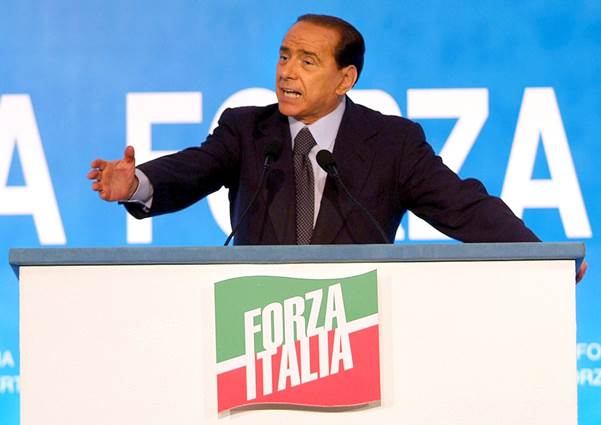
In 1994, he founded the political party Forza Italia — named after the football cheer “Go Italy!” His campaign was unprecedented in style. Leveraging his media networks, he produced slick advertisements and speeches that made politics feel more like entertainment. His message was simple: as a successful businessman who built an empire, he could do the same for Italy.
The strategy worked. Berlusconi became Prime Minister in 1994, the start of a political career that would see him serve three separate terms, making him Italy’s longest-serving post-war leader.
Net Worth Growth and Wealth Management
Berlusconi’s fortune grew steadily through the 1990s and 2000s, driven by his diversified empire under Fininvest. His holdings included:
- Mediaset (television broadcasting)
- Mondadori (publishing)
- Mediolanum (financial services)
- Real estate assets across Europe
- AC Milan (until he sold the club in 2017)
By 2000, his wealth had surpassed several billion dollars, placing him firmly on the Forbes billionaire list. Despite political turbulence and economic recessions, his net worth remained resilient.
At its height, his fortune was estimated at $8.5 billion, making him not only Italy’s richest man at various points but also one of the world’s wealthiest politicians.
Scandals and Legal Battles
Berlusconi’s success was never free from controversy. Throughout his career, he faced a long list of allegations: tax fraud, bribery, conflicts of interest, and corruption.
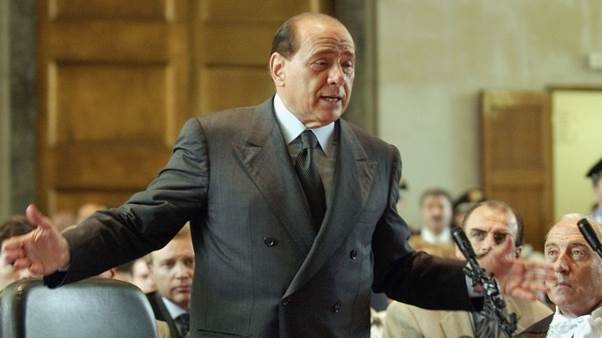
In 2013, he was convicted of tax fraud related to Mediaset and sentenced to community service, though he avoided prison due to his age. He was banned temporarily from holding public office, but he returned to politics once the ban was lifted.
His personal life also drew scrutiny. His lavish lifestyle, extravagant parties, and relationships with younger women became fodder for tabloids worldwide. The infamous “bunga bunga” parties became shorthand for excess and scandal.
Yet, despite everything, Berlusconi remained a central figure in Italian public life. His supporters admired his resilience, charisma, and refusal to bow to critics.
Philanthropy and Social Contributions
While Berlusconi is often remembered for his scandals, he also invested heavily in philanthropy. He donated millions to hospitals, cultural institutions, and disaster relief efforts. He supported initiatives for medical research and education, particularly in his home region of Lombardy.
He also helped fund the rebuilding of areas affected by natural disasters, including earthquakes, and contributed to international humanitarian causes.
Later Years and Final Chapter
Even in his 80s, Berlusconi remained active in both business and politics. He served as a Member of the European Parliament and continued to play a guiding role in Forza Italia, though his health began to decline.
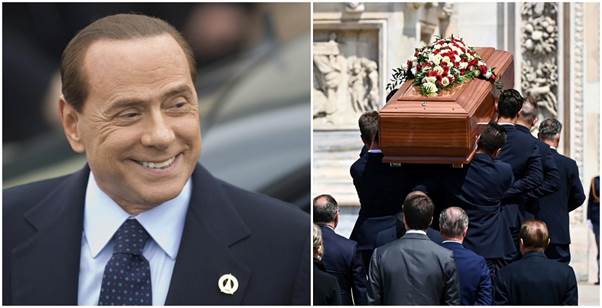
On June 12, 2023, Silvio Berlusconi passed away at the age of 86. His death marked the end of an era, but his influence — both celebrated and criticized — remains deeply etched into Italy’s story.
Legacy: The Billionaire Politician
Silvio Berlusconi’s legacy is complex. Financially, his $8.5 billion fortune makes him one of the most successful businessmen-turned-politicians in history. Few leaders have ever commanded such wealth while simultaneously holding the highest political office in their nation.
His supporters view him as a visionary who modernized Italian media, elevated AC Milan to global greatness, and gave Italy a charismatic leader who wasn’t afraid to defy convention. His critics see him as a cautionary tale of unchecked power, conflicts of interest, and blurred lines between democracy and personal ambition.
Either way, Berlusconi’s story is impossible to ignore. He embodied the paradox of wealth and politics: admired for his achievements, condemned for his excesses, yet always relevant.
Silvio Berlusconi’s net worth of $8.5 billion tells only part of the story. Behind the fortune was a man who reshaped Italian culture, media, and politics in ways few could have imagined. From humble beginnings in Milan to becoming one of the richest and most controversial figures in Europe, Berlusconi lived a life defined by ambition, charisma, and contradictions.
His story is not just about money. It is about the power of influence, the risks of blending business with governance, and the enduring impact of a man who made himself the center of Italy’s stage for half a century.