
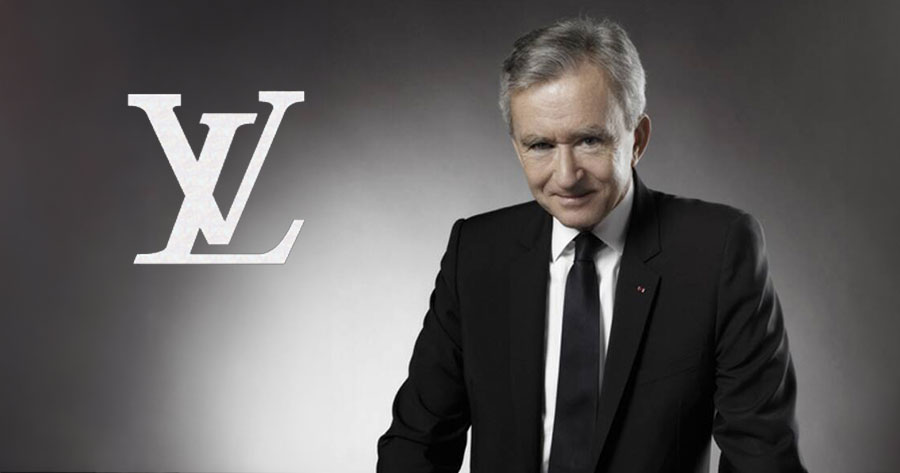
With an estimated net worth of $155 billion, Bernard Arnault stands as one of the most powerful and influential figures in the global business landscape. As the chairman and CEO of LVMH Moët Hennessy Louis Vuitton, Arnault oversees the world’s largest luxury goods empire, with over 75 prestigious brands under its umbrella. Known as the “King of Luxury,” Arnault has built a fortune by mastering the art of exclusivity, craftsmanship, and global branding. His wealth, his empire, and his influence have made him a towering figure not only in France but across the world.
Early Life and Education
Bernard Jean Étienne Arnault was born on March 5, 1949, in Roubaix, a city in northern France. His father, Jean Arnault, owned a successful civil engineering company called Ferret-Savinel. Bernard’s mother, Marie-Josèphe Savinel, came from a family with an appreciation for luxury and culture, particularly fashion.
Arnault displayed a keen intellect from an early age. He attended prestigious schools in France and eventually enrolled in the École Polytechnique, the country’s top engineering institution, where he graduated in 1971. After completing his studies, Arnault began working for his father’s business, but his ambitions stretched far beyond construction and engineering.
Transition into Business
After joining his father’s company, Arnault convinced him to shift the business focus toward real estate. This was the first sign of his entrepreneurial instinct and ability to see where money could be made. By the late 1970s, Arnault had successfully helped transform the family business into one of the most significant property development companies in France.
His first taste of the luxury world came in the 1980s when the French government was looking to sell off struggling textile companies. Arnault seized the opportunity and acquired Boussac Saint-Frères, a bankrupt textile group that happened to own Christian Dior, one of the most prestigious names in fashion. This bold acquisition in 1984 marked the beginning of his journey into the luxury industry. Arnault’s strategy was clear: focus on Dior, revive its brand, and shed other underperforming assets. The move proved enormously successful, laying the foundation for his empire.
Building the LVMH Empire
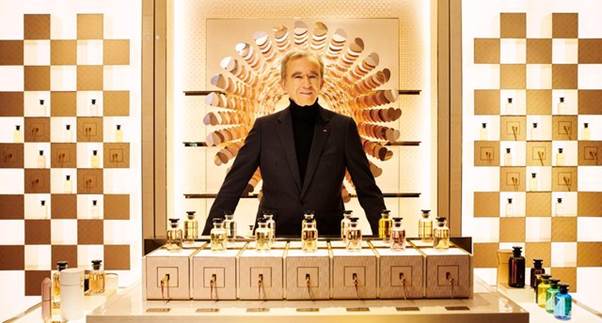
In 1987, Bernard Arnault made one of the most important moves of his career when he invested in LVMH, the newly formed company created by the merger of Louis Vuitton, the iconic fashion house, and Moët Hennessy, a champagne and cognac producer. Arnault soon took control of LVMH through aggressive stock purchases and shrewd maneuvering. By 1989, he was chairman and CEO.
Under Arnault’s leadership, LVMH grew into the world’s largest luxury conglomerate, with brands spanning fashion, cosmetics, jewelry, watches, wines, and spirits. Some of the most recognizable names in the portfolio include:
- Louis Vuitton
- Christian Dior
- Givenchy
- Fendi
- Céline
- Dom Pérignon
- Moët & Chandon
- Sephora
- TAG Heuer
- Tiffany & Co.
Arnault’s strategy has always been to acquire heritage brands, preserve their traditions of craftsmanship, and expand their global reach. He emphasizes exclusivity, quality, and prestige, ensuring that LVMH’s products are aspirational symbols of luxury worldwide.
Net Worth and Financial Success
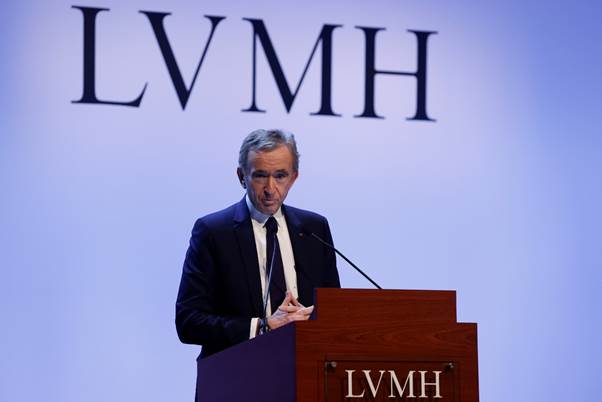
Bernard Arnault’s $155 billion net worth comes primarily from his controlling stake in LVMH. He owns about 47% of the company’s shares through a family holding company, giving him tremendous influence over the group.
LVMH’s performance has been stellar over the past two decades. Even during times of global economic uncertainty, the luxury market has proven remarkably resilient, with demand from wealthy clients in Europe, the United States, China, and the Middle East fueling growth.
In 2021, LVMH reached record profits despite the pandemic, demonstrating the enduring strength of luxury branding. This consistent success has propelled Arnault into the ranks of the world’s wealthiest individuals, often competing with figures like Jeff Bezos, Elon Musk, and Warren Buffett for the top spots on global rich lists.
Business Philosophy and Leadership Style
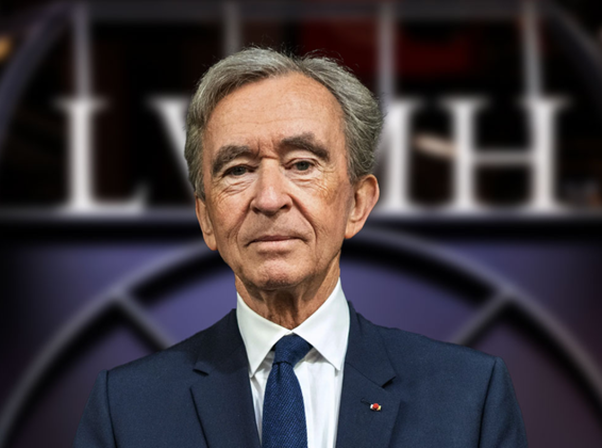
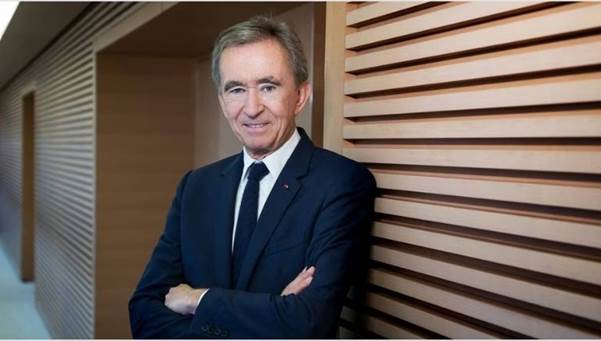
Arnault is known for his meticulous attention to detail, sharp business acumen, and relentless pursuit of excellence. He is often described as a visionary leader who combines a passion for creativity with hard-nosed financial discipline.
He allows each brand under the LVMH umbrella to maintain its creative autonomy, while still benefiting from the group’s financial strength and global distribution network. This unique model has kept brands fresh and innovative while ensuring consistent profitability.
Arnault’s leadership style is often compared to that of an orchestra conductor—he brings together diverse creative talents and ensures they work harmoniously under the LVMH banner.
Philanthropy and Cultural Influence
Beyond business, Bernard Arnault has invested heavily in culture and philanthropy. He is an avid art collector with a collection valued in the hundreds of millions of dollars, including works by Picasso, Yves Klein, and Andy Warhol.
In 2014, he opened the Fondation Louis Vuitton in Paris, a contemporary art museum designed by famed architect Frank Gehry. The building itself is considered a masterpiece, and the foundation has hosted exhibitions of world-class art, cementing Arnault’s reputation as a patron of the arts.
He has also pledged significant donations to various causes. In 2019, following the devastating fire at Notre-Dame Cathedral in Paris, Arnault and his family pledged €200 million toward its restoration. The gesture highlighted his deep ties to French heritage and culture.
Personal Life
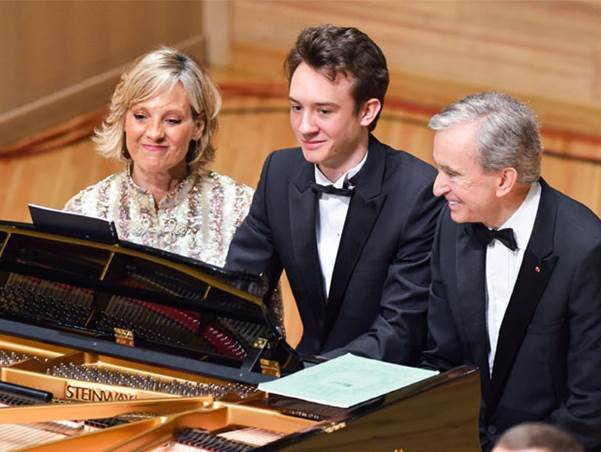
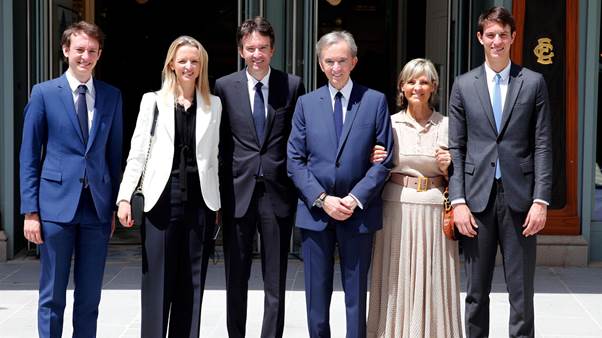
Bernard Arnault is married to concert pianist Hélène Mercier, and together they have three children. From his previous marriage to Anne Dewavrin, he has two more children. Several of his children hold prominent positions within LVMH and its various brands, suggesting that the Arnault family is preparing for a generational handover.
Arnault himself is known for his reserved demeanor. Unlike some other billionaires who enjoy public attention, he tends to keep a low profile, preferring his work and his brands to speak for themselves. He divides his time between Paris and other residences, though he is firmly rooted in France, where he remains a symbol of national pride and global influence.
Influence on the Luxury Industry
Bernard Arnault has redefined what it means to sell luxury in the modern age. His strategy of acquiring and nurturing prestigious brands has not only preserved their legacies but also expanded them into global markets.
The rise of China and other emerging economies has been a particular focus. Arnault was quick to recognize the demand for luxury among the growing middle and upper classes in Asia, and LVMH was among the first to aggressively expand in these markets.
Through his leadership, he has turned LVMH into more than just a company; it is now a cultural force that shapes fashion trends, influences global design, and sets the standard for luxury worldwide.
Legacy
Bernard Arnault’s legacy will be defined by his transformation of LVMH into a luxury empire that spans the globe. He has managed to combine artistry with commerce, proving that creativity and profitability can go hand in hand. His $155 billion net worth is not just a reflection of personal wealth but also of the global value of luxury goods and culture.
He is not only one of the richest men in the world but also one of the most influential tastemakers. His brands shape how people dress, how they celebrate, and even how they define success.
From his early days in northern France to becoming the “Emperor of Luxury,” Bernard Arnault’s story is one of vision, discipline, and an unrelenting drive to succeed. His $155 billion fortune reflects not only his personal achievements but also the global appetite for luxury, exclusivity, and beauty.
Arnault has proven that luxury is not just about products—it is about experiences, culture, and heritage. Through LVMH, he has built an empire that will continue to define luxury for generations to come, making him not only one of the wealthiest men alive but also one of the most influential figures in global culture.