The Setup: Boozer’s Big NBA Payday
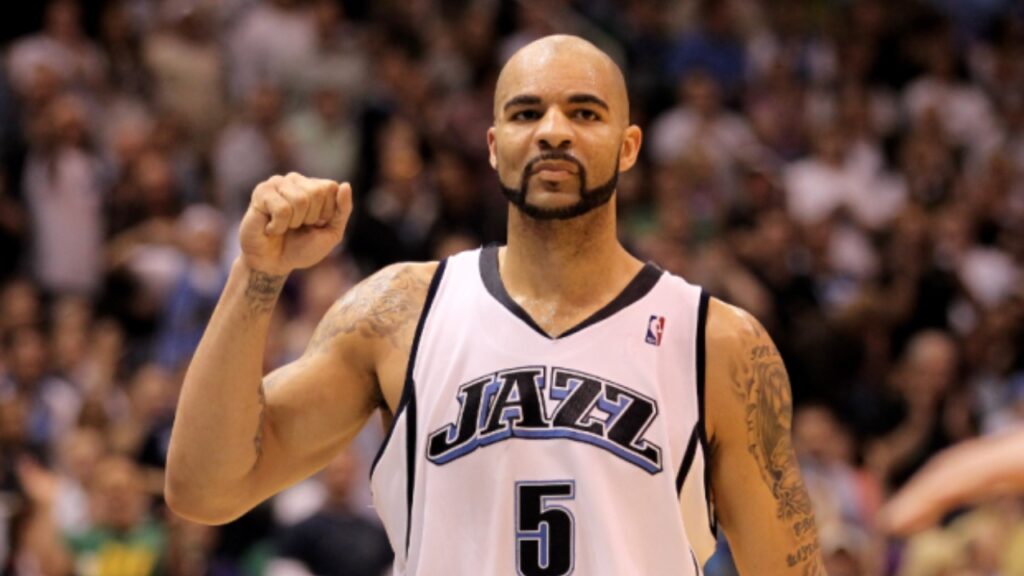
Back in 2004, Carlos Boozer was at the peak of a young NBA career. After his rookie contract with the Cleveland Cavaliers expired, he signed a blockbuster six-year, $68 million deal with the Utah Jazz. For a 23-year-old who had just gone from modest beginnings to multimillionaire status, it was a life-changing moment.
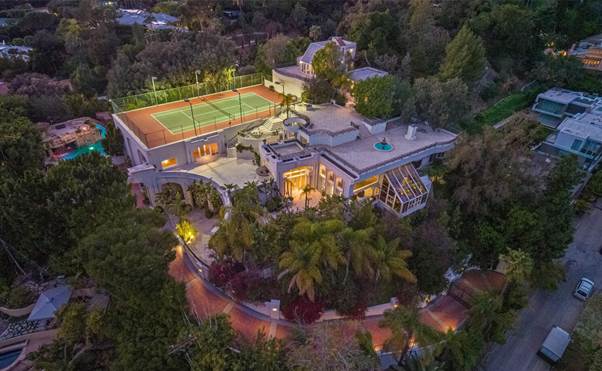
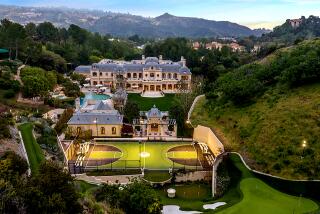
Flush with cash, Boozer decided to indulge in the ultimate young-athlete purchase: a luxury mansion in Los Angeles’ prestigious Bel-Air neighborhood. In September 2005, he dropped $8.5 million on an 18,000-square-foot estate previously owned by entertainment mogul Ted Field, co-founder of Interscope Records.
This wasn’t just a house — it was a palace. With 10 bedrooms, 13 bathrooms, a ballroom, wine cellar, solarium, two-story gym, and a rooftop tennis court overlooking the city, the mansion looked like something out of a Hollywood fantasy. Outside, there was a resort-style pool with a grotto and water slide, and an ornate fountain dominating the front drive.
For Boozer, it was a dream home. But here’s the twist: he never actually lived in it.
A Renter With Deep Pockets
Almost immediately after buying the mansion, Boozer had to report to training camp in Utah. Leaving the property vacant seemed wasteful, so he hired a realtor to list it for rent at $75,000 per month.
Several potential tenants expressed interest, but one applicant stood out by offering to pay $95,000 per month — for a full year upfront. That totaled $1.14 million, more than enough to cover Boozer’s mortgage (estimated around $40,000 monthly) with a huge profit on top.
Boozer agreed. After all, who could turn down such an offer?
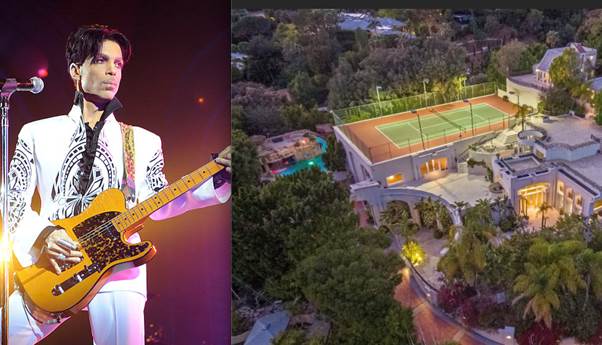
The mystery renter turned out to be none other than Prince — the legendary musician, enigmatic artist, and self-styled master of purple extravagance.
Prince’s Purple Takeover
What Boozer didn’t know was that Prince wasn’t just looking for a place to crash. He wanted a creative sanctuary, a space to reinvent in his own image.
Prince had a tradition of renting lavish homes in Los Angeles during the winter months, often referring to each rental as “3121”, a number that became both a motif in his work and the title of his 2006 album. These temporary homes doubled as recording studios, party venues, and cultural hotspots.
When Prince took over Boozer’s mansion, he transformed it completely.
- The exterior was painted with purple stripes, emblazoned with Prince’s symbol and the numbers “3121.”
- The master bedroom was fitted with purple monogrammed carpet.
- One bedroom was converted into a salon, complete with plumbing for styling chairs.
- The gym became a disco-style nightclub, complete with DJ booth and lights.
- Boozer’s expensive custom furniture was hauled out and replaced with sleek black and purple décor.
- The fountain water out front? Turned purple, naturally.
Everywhere you turned inside the mansion, there were images of Prince. It was no longer Boozer’s Bel-Air mansion — it was Prince’s purple kingdom.
Boozer’s Shocked Reaction
When Boozer returned to Los Angeles during the NBA offseason, he barely recognized his home.
“There was this big purple rug going from the motor court all the way up to the front door,” Boozer later recalled in a 2018 ESPN interview. “He took all of my furniture out, put in black carpet in some areas, purple carpet in others. There was a picture of Prince in every room.”
Panicked, Boozer tried calling Prince immediately. But the singer was on tour in Japan and unreachable for weeks. With his multimillion-dollar mansion turned into a purple art installation, Boozer had no choice but to get his lawyers involved.
The Lawsuit and the Call
By January 2006, Boozer’s legal team filed a formal lawsuit, issuing a three-day notice to cure or quit. Essentially, Prince had three days to return the house to its original condition or face eviction.
Finally, Boozer got a call back — not from a lawyer or manager, but directly from Prince himself.
Prince didn’t argue. He didn’t make excuses. He simply apologized and promised to make things right. To back it up, he wired Boozer $500,000 as a security deposit to cover any restoration costs.
The $500,000 Fix
True to his word, Prince ensured every detail was restored before moving out.
- The carpets were replaced.
- The walls were repainted.
- The nightclub reverted to a gym.
- The fountain water ran clear again.
When the lease ended, Boozer’s mansion looked exactly as it had before Prince’s purple makeover. Impressed with the respect Prince showed, Boozer even returned the $500,000 deposit.
But Prince left his mark in another way.
A Surprise in the Album Art
When Prince released his album “3121” in March 2006, Boozer bought a copy. To his astonishment, his Bel-Air mansion was prominently featured in the album’s cover art and booklet photography.
Without permission or warning, Prince had immortalized the property in music history. Boozer could only laugh — his house had become part of the Prince legend.
Boozer and Prince: An Unlikely Friendship
Despite the bizarre episode, Boozer never held a grudge. He later described Prince as “a great dude, very humble,” and even recalled hanging out with him in New York afterward. Prince once gave Boozer’s parents front-row tickets to a Madison Square Garden concert as a gesture of thanks.
The two stayed friendly until Prince’s untimely passing in 2016. For Boozer, the experience became a surreal but cherished memory.
The Mansion’s Later Life
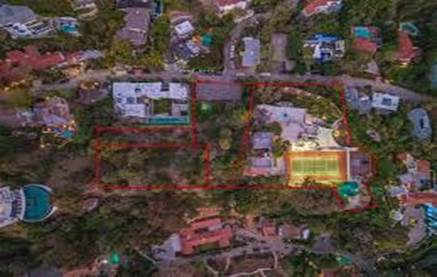
After Prince moved on, Boozer eventually sold the mansion. While he has claimed he sold it for $12.4 million, real estate records show it changed hands in 2010 for $8.4 million, purchased by controversial doctor Julian Omidi.
Omidi, known for operating the weight-loss business 1-800-GET-THIN, later faced federal fraud charges. In 2023, he was sentenced to seven years in prison for orchestrating what prosecutors described as a massive insurance fraud scheme.
The mansion itself remained in his family’s possession and was listed in 2020 for $30 million — with an option to rent for $80,000 per month.
Carlos Boozer’s Journey After Bel-Air
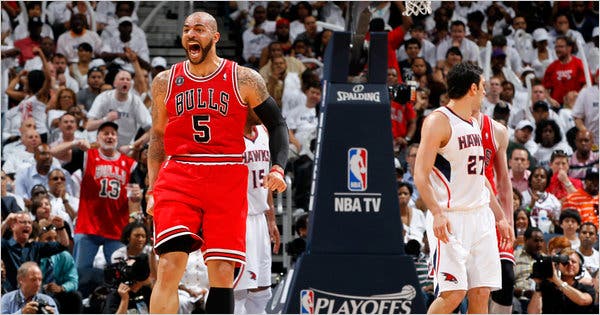
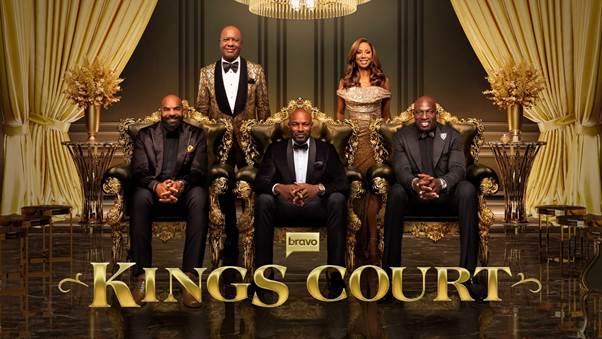
As for Boozer, he eventually settled in Miami, where he invested in multiple properties. His NBA career included All-Star appearances, Olympic gold, and stints with the Jazz, Bulls, and Lakers. He retired in 2017, later exploring broadcasting and reality television — including his 2025 debut on Bravo’s dating series “King’s Court.”
Prince’s Legacy of Creative Spaces
Prince’s transformation of Boozer’s mansion was not an isolated incident. Throughout his career, the artist was known for reimagining his surroundings. From Paisley Park in Minnesota to temporary LA rentals, he turned spaces into living art installations that blurred the line between personal and professional life.
The Bel-Air mansion episode remains one of the most colorful examples of Prince’s eccentric genius — a story that combines real estate, celebrity culture, and artistic obsession.
The Purple Summer That Lives On
Nearly 20 years later, the tale of Prince renting Boozer’s mansion still feels like an urban legend. A young NBA star buys a mansion he never lives in. A musical icon rents it, transforms it into a purple wonderland, nearly sparks a lawsuit, then restores it without a trace — all while immortalizing it in an album.
It’s a story so outrageous it seems almost mythical, yet it happened. And it remains one of those perfect intersections of sports, music, and celebrity excess that could only take place in Los Angeles.
For Carlos Boozer, it was an unexpected chapter in his life. For Prince, it was just another creative playground. For everyone else, it’s a reminder that when you rent your mansion to Prince, you’re not just leasing property — you’re inviting him to rewrite the rules entirely.