
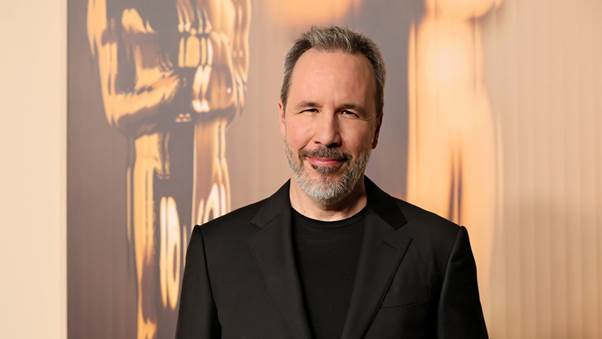
Denis Villeneuve is a French-Canadian film director, screenwriter, and producer with an estimated net worth of $40 million. He is widely regarded as one of the most visionary filmmakers of his generation, celebrated for his masterful command of suspense, atmosphere, and storytelling. Villeneuve has directed some of the most acclaimed films of the last two decades, including Incendies (2010), Prisoners (2013), Sicario (2015), Arrival (2016), Blade Runner 2049 (2017), and the epic Dune saga (2021–2024). His work balances art-house sensibilities with large-scale Hollywood spectacle, earning him both critical acclaim and commercial success.
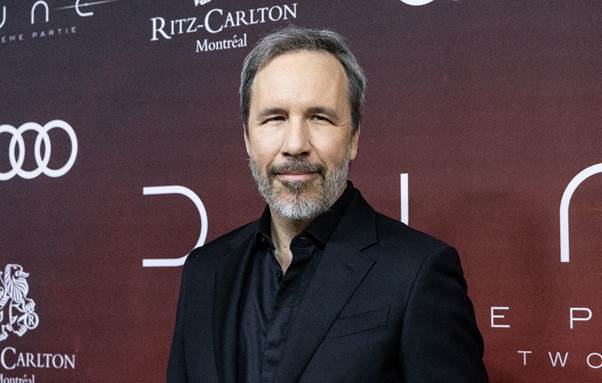
Early Life and Education
Denis Villeneuve was born on October 3, 1967, in the village of Gentilly in Bécancour, Quebec, Canada. His mother, Nicole Demers, was a homemaker, while his father, Jean Villeneuve, worked as a notary. Denis was the eldest of four children, and his upbringing in rural Quebec exposed him to both nature and storytelling traditions that would later influence his cinematic vision.
He attended the Séminaire Saint-Joseph de Trois-Rivières before studying science at the Cegep de Trois Rivières. Eventually, his passion for cinema drew him to the Université du Québec à Montréal, where he studied filmmaking. Inspired by directors like Stanley Kubrick, Alfred Hitchcock, and the Coen Brothers, Villeneuve quickly developed his signature style of blending psychological tension with stunning visuals.
Early Career in Canada
Villeneuve’s career began with short films and documentaries. His big break came in 1991, when he won Radio-Canada’s youth film competition La Course Europe-Asie. This recognition encouraged him to pursue filmmaking full-time.
In 1998, he made his feature debut with August 32nd on Earth, which premiered at Cannes in the “Un Certain Regard” section. Two years later, he directed Maelström (2000), a surreal drama that won eight Jutra Awards and the Toronto International Film Festival award for Best Canadian Film.
His first major critical success was Polytechnique (2009), a haunting black-and-white dramatization of the Montreal Massacre. The film received nine Genie Awards, including Best Motion Picture, and marked Villeneuve as one of Canada’s most promising filmmakers.
Breakthrough with Incendies
Villeneuve’s international breakthrough came in 2010 with Incendies, a powerful adaptation of Wajdi Mouawad’s play. The film tells the story of twins uncovering their mother’s hidden past in the Middle East. It premiered at the Venice and Toronto International Film Festivals, earned an Academy Award nomination for Best Foreign Language Film, and was hailed by The New York Times as one of the top ten films of the year.
Incendies firmly established Villeneuve on the world stage, proving his ability to handle emotionally complex narratives with precision and artistry.
Transition to Hollywood
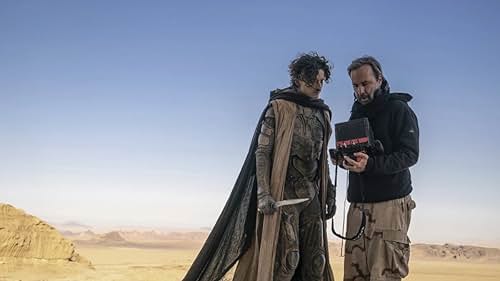
Hollywood quickly took notice of Villeneuve’s talent. In 2013, he directed Prisoners, a dark thriller starring Hugh Jackman and Jake Gyllenhaal. The film was praised for its intricate plot, chilling atmosphere, and moral ambiguity, earning strong box office returns and cementing Villeneuve’s reputation as a top-tier filmmaker.
The same year, he directed Enemy (2013), an adaptation of José Saramago’s novel. Featuring Jake Gyllenhaal in a dual role, the film explored identity and subconscious fears with surreal, unsettling imagery. It showcased Villeneuve’s fascination with psychological themes and earned him the Canadian Screen Award for Best Director.
Rise as a Master of Thrillers
In 2015, Villeneuve released Sicario, a tense crime thriller starring Emily Blunt, Josh Brolin, and Benicio del Toro. The film explored the U.S.-Mexico drug war with chilling realism, competing for the Palme d’Or at Cannes and grossing nearly $80 million worldwide. Its haunting score by Jóhann Jóhannsson and Roger Deakins’ striking cinematography made it a modern classic of the thriller genre.
Science Fiction Legacy: Arrival and Blade Runner 2049
Villeneuve’s move into science fiction solidified his status as one of the greatest directors of the modern era.
In 2016, he directed Arrival, based on Ted Chiang’s short story Story of Your Life. Starring Amy Adams, the film examined language, time, and human connection through the lens of alien contact. It was nominated for eight Academy Awards, including Best Picture and Best Director, and won for Best Sound Editing.
The following year, Villeneuve took on the daunting task of directing Blade Runner 2049 (2017), the sequel to Ridley Scott’s 1982 classic. Starring Ryan Gosling and Harrison Ford, the film was praised for its breathtaking visuals, thematic depth, and faithfulness to the original’s legacy. Though it underperformed at the box office, it won two Academy Awards (Cinematography and Visual Effects) and cemented Villeneuve’s reputation for handling ambitious projects with artistry.
The Dune Saga
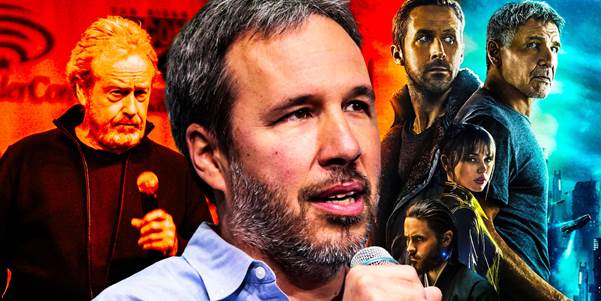
Villeneuve reached the height of his commercial success with his adaptation of Frank Herbert’s science fiction epic Dune. Released in 2021, Dune: Part One was both a critical and commercial triumph, praised for its scale, performances, and immersive world-building. The film grossed over $400 million worldwide despite pandemic challenges and won six Academy Awards.
Dune: Part Two (2024) surpassed its predecessor, grossing $714 million globally and earning five Academy Award nominations. It further solidified Villeneuve as the modern master of epic storytelling. With Dune: Messiah slated for production in 2025, Villeneuve is poised to complete his trilogy and secure his place in the pantheon of great science fiction directors.
Future Projects
In June 2025, Amazon MGM Studios announced that Villeneuve would direct and executive produce the next James Bond film, marking his entry into one of cinema’s most iconic franchises. This move underscores his reputation as a director who can elevate blockbuster properties while retaining artistic integrity.
He is also developing a Cleopatra epic and an adaptation of Arthur C. Clarke’s classic novel Rendezvous with Rama, further expanding his already ambitious slate of projects.
Awards and Recognition
Over his career, Denis Villeneuve has received widespread critical acclaim and numerous accolades. He has been nominated for multiple Academy Awards, BAFTAs, and Golden Globes. His films are frequently included in “best of the decade” lists, and he is celebrated for balancing philosophical depth with mainstream accessibility.
Personal Life
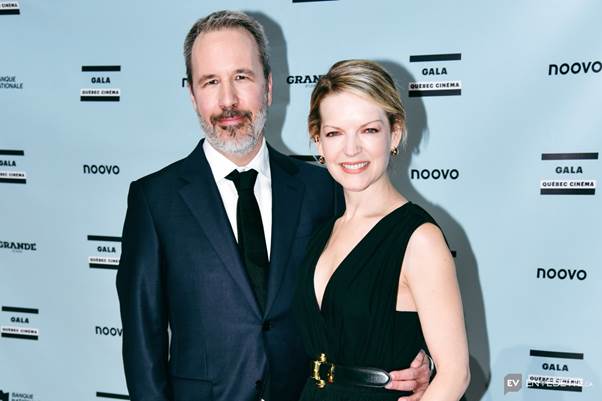
Villeneuve is married to Tanya Lapointe, a journalist and filmmaker. From a previous relationship, he has three children, including his daughter Salomé Villeneuve, who has followed in his footsteps as a filmmaker. Known for his modesty and focus on craft, Villeneuve avoids Hollywood glamour, preferring to keep his private life low-profile while devoting his energy to storytelling.
Legacy
Denis Villeneuve’s career represents the rare balance between artistic ambition and commercial appeal. With a net worth of $40 million, he has built not just financial success but also a legacy of films that will be studied and celebrated for decades to come. From intimate dramas like Incendies to grand blockbusters like Dune, Villeneuve’s work demonstrates that visionary filmmaking can thrive in both independent cinema and Hollywood’s biggest stages.