

Doris Duke’s name remains etched in history not only as one of the wealthiest women of her era but also as a philanthropist whose fortune left a lasting mark on society. Born into unimaginable privilege, Doris Duke lived a life of wealth, mystery, artistic passion, and generosity that continues to inspire and intrigue the world decades after her passing.
Early Life and Inheritance
Doris Duke was born in New York City in November 1912 to James Buchanan Duke and Nanaline Holt Inman Duke. Her father, James B. Duke, revolutionized the tobacco industry in America. By modernizing manufacturing processes and pioneering aggressive marketing campaigns, he built a tobacco empire that essentially invented the modern cigarette industry. His business ventures also included hydroelectric power, which helped transform parts of the South, particularly North Carolina, into industrial hubs.
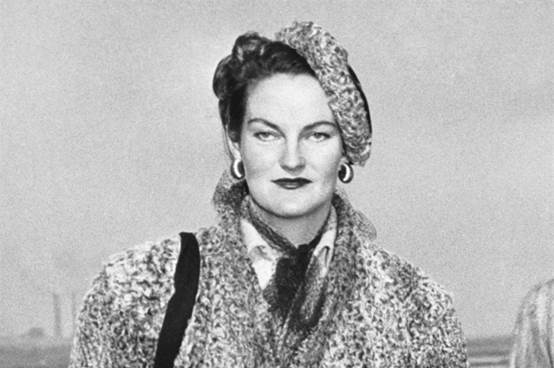
When James B. Duke passed away in 1925, Doris was only 12 years old. To the world’s astonishment, she inherited an enormous fortune$100 million. In today’s currency, that figure equates to roughly $1.5 billion, instantly making her one of the richest individuals on the planet. At that young age, Doris’s wealth was second only to John D. Rockefeller, who was then America’s most famous billionaire.
Her fortune did not stop there. In 1962, when her mother Nanaline passed away, Doris inherited another $250 million, equivalent to more than $2 billion today. By midlife, she was already a financial powerhouse, with resources that many nations would envy.
A Life of Luxury and Curiosity
Unlike some heirs who simply clung to their privilege, Doris Duke actively pursued personal passions and interests. Her wealth allowed her to explore the world in ways few could imagine. She became an avid traveler, immersing herself in diverse cultures and collecting priceless art, jewelry, and artifacts.
Her collection was breathtaking. From Southeast Asian and Islamic art to masterpieces by Picasso, Monet, Van Gogh, and Rembrandt, her holdings represented some of the greatest treasures of human creativity. She also maintained a collection of more than 2,000 bottles of rare wine, valued at over $5 million.
Doris also owned lavish homes across the United States, including estates in New Jersey, Rhode Island, Hawaii, and Beverly Hills. Her Hawaii estate, known as Shangri La, reflected her love for Islamic art and architecture and remains one of the most unique cultural landmarks in America today.
But Doris was not simply a collector. She was also a creator. At her New Jersey estate, Duke Farms, she developed Duke Gardens, which became one of the largest indoor botanical displays in America. Her fascination with plants and design reflected her deeper connection to the environment and her desire to create beauty that others could enjoy.
Hidden Talents and Personal Life
Despite being a billionaire heiress, Doris Duke lived with a sense of individuality that surprised many. She worked briefly as a journalist, played jazz piano, and even became a competitive surfer in Hawaii at a time when women rarely pursued the sport. These personal interests painted the picture of a woman who wanted to carve out her own identity beyond the shadows of her fortune.
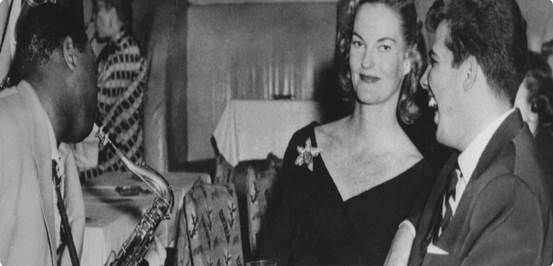
Her personal life, however, was filled with both glamour and turbulence. She married James H. R. Cromwell in 1935, but the marriage ended in divorce in 1943. Later, in 1947, she married the Dominican diplomat and playboy Porfirio Rubirosa, but this union too ended in divorce by 1951. Although she never had children, Doris surrounded herself with friends, pets, and the creative projects that gave her life meaning.
Philanthropy and Lasting Legacy
Doris Duke was not content to merely live in luxury she sought to use her fortune to create positive change. During her lifetime, she gave generously to causes close to her heart, including medical research, AIDS awareness, child welfare, historic preservation, and the arts.
When she passed away on October 28, 1993, at the age of 80, her net worth was estimated at $5.3 billion. Much of this fortune was directed toward charitable causes through her will. The majority of her assets went to establish the Doris Duke Charitable Foundation (DDCF), which continues to play a vital role in American philanthropy.

Today, the foundation controls assets worth around $2 billion and has already distributed more than $1.8 billion in grants. Its work spans across arts, environmental conservation, medical research, and support for marginalized communities. Through this, Doris’s generosity continues to touch countless lives decades after her passing.
The World’s “Richest Woman”
During her lifetime, Doris Duke was often described as the “world’s richest woman.” Yet, she was more than her wealth. She represented a unique blend of privilege, curiosity, independence, and compassion. Unlike many heirs who simply preserved their wealth, Doris lived a dynamic life filled with art, culture, exploration, and a deep sense of responsibility.
From inheriting a tobacco fortune as a young girl to becoming one of the greatest patrons of art and philanthropy, Doris Duke’s life is a reminder that wealth, when combined with vision, can leave a legacy far greater than money itself.
Doris Duke’s journey from a shy tobacco heiress to a world traveler, collector, and philanthropist is nothing short of remarkable. Her fortune was vast, but her legacy lies in how she used it. Today, through the Doris Duke Charitable Foundation, her spirit of generosity and commitment to human progress lives on. She remains a symbol of how great wealth, when used wisely, can shape history and improve the lives of generations to come.