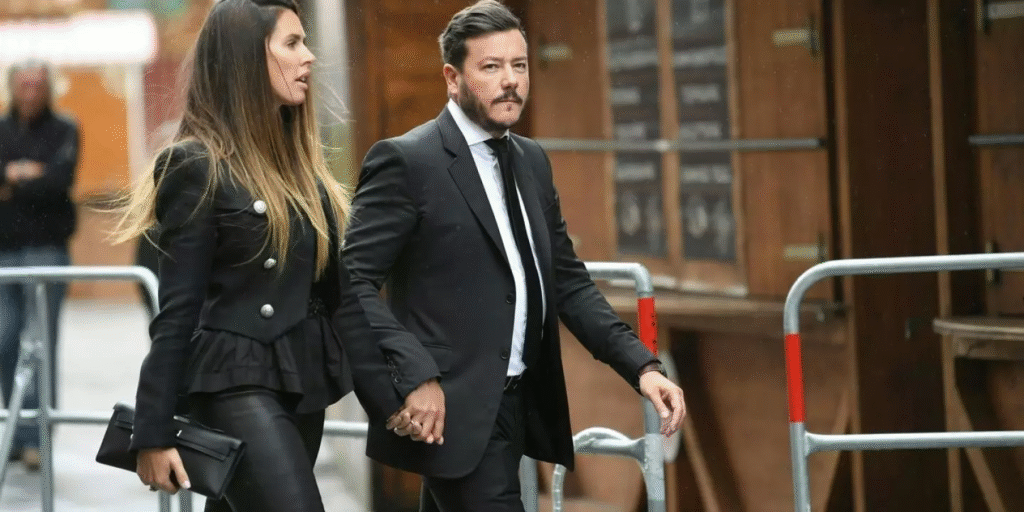

For much of the 2010s and early 2020s, René Benko was regarded as one of Europe’s most ambitious and daring real estate tycoons. At the helm of Signa Holding, he acquired a portfolio that included some of the world’s most recognizable landmarks. His empire stretched from Selfridges in London to KaDeWe in Berlin, and even the iconic Chrysler Building in New York. By 2022, Benko’s personal net worth was pegged at around $6 billion, cementing his place in the ranks of Europe’s wealthiest entrepreneurs.
Yet, within less than two years, that towering empire crumbled, leaving him bankrupt, facing fraud allegations, and stripped of his global reputation.
Early Life and First Steps in Real Estate
René Benko was born in Innsbruck, Austria, where his fascination with real estate began modestly. As a teenager, he started buying and flipping apartments, gaining an early sense of profit margins and development potential. His breakthrough came when he developed the Kaufhaus Tyrol shopping center in Innsbruck, which earned him recognition and helped attract bigger investors.
This initial success fueled his hunger for expansion. By his early 30s, Benko had built a reputation as an ambitious dealmaker who could blend political charm, financial engineering, and high-stakes risk-taking into lucrative real estate ventures.
Building Signa Holding Into a Global Empire
In 1999, Benko founded Signa Holding, which grew rapidly over the next two decades. The company was structured as a labyrinth of holding companies, foundations, and trusts, a setup that made it nearly impossible for outsiders to understand its financial health. For Benko, this structure ensured he retained control while presenting investors with a polished image of security and exclusivity.
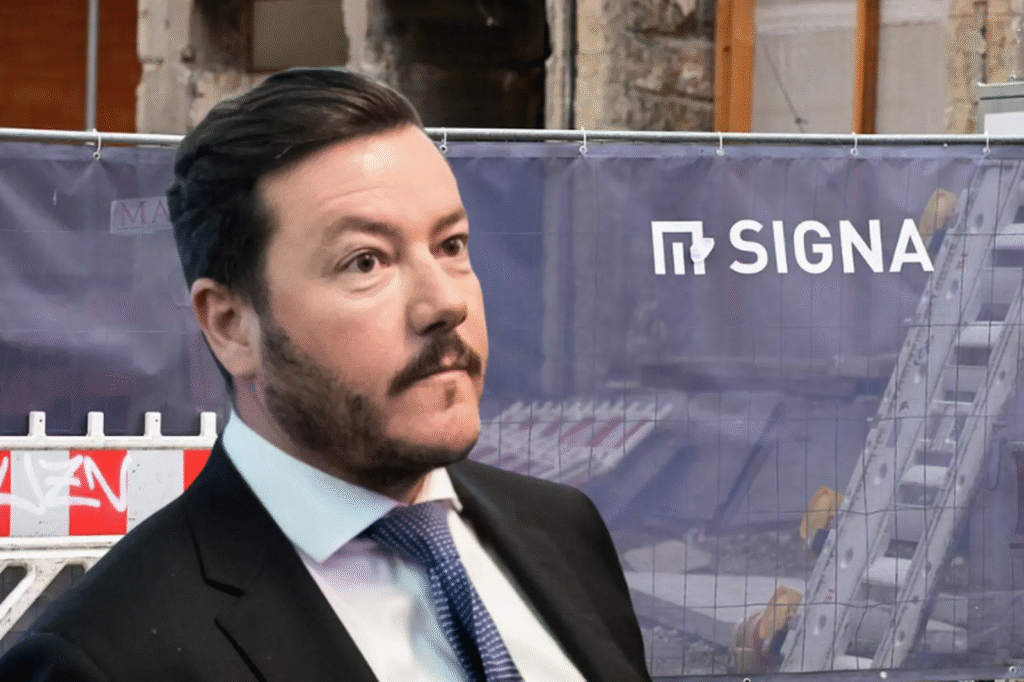
By the early 2020s, Signa controlled or had major stakes in some of Europe’s most high-profile properties:
- KaDeWe in Berlin, one of the world’s most famous department stores.
- Elbtower in Hamburg, an ambitious skyscraper project.
- A stake in Selfridges in London, secured through a partnership with Thai investors.
- The Chrysler Building in New York, purchased with RFR Holding in 2019.
The Chrysler Building acquisition was especially symbolic. Though the building’s long-term lease obligations made it a financial challenge, owning part of such a global landmark gave Benko prestige and media attention far beyond Europe.
The Business Model: Growth Fueled by Cheap Credit
At the heart of Signa’s rapid rise was a reliance on debt financing. With interest rates historically low for much of the 2010s, borrowing was cheap, and Benko took full advantage. He acquired properties at a breakneck pace, promising investors strong and steady returns backed by “ultra-prime” real estate.
As long as money remained cheap and asset prices climbed, the model worked. But the empire was far more fragile than it appeared.
The Unraveling: Three Converging Crises
By 2022, storm clouds had begun to form. A series of global events collided with Signa’s debt-heavy model, exposing vulnerabilities that proved impossible to overcome.
1. COVID-19 and the Retail Collapse
The pandemic devastated retail businesses worldwide, and Signa was heavily invested in shopping centers and department stores. With foot traffic gone and tenants unable to pay rent, revenue streams collapsed almost overnight.
2. Rising Interest Rates
When central banks began raising interest rates in 2022–2023 to fight inflation, Signa’s borrowing costs skyrocketed. Loans that had once been affordable became crushing liabilities. Refinancing debt became nearly impossible.
3. Inflation and Geopolitical Tensions
The war in Ukraine, supply chain disruptions, and surging energy costs added further pressure. Construction projects like the Elbtower in Hamburg became unviable, with budgets ballooning beyond control.
By the end of 2023, Signa was out of options. The company filed for insolvency, revealing billions in unpaid debts.
Asset Sales and the Collapse of a Fortune
In the aftermath of insolvency, Signa’s prized assets were sold off in an attempt to satisfy creditors.
- KaDeWe was sold to Thailand’s Central Group in 2024 for around €1 billion.
- Signa’s stake in the Chrysler Building was relinquished amid restructuring.
- Other projects across Austria and Germany were either frozen or liquidated, often at steep discounts.
As the empire collapsed, Benko’s personal net worth disintegrated. By early 2024, he declared personal bankruptcy, shocking investors who had once believed his empire was unshakable.
Fraud Allegations and Hidden Wealth
Benko’s financial downfall might have ended there, but prosecutors soon alleged there was more to the story.
Criminal Accusations
Authorities accused Benko of misusing investor funds, disguising shareholder contributions as his own equity, and even fraudulently claiming COVID relief funds by presenting a private chalet as a hotel. These allegations painted a picture not just of bad luck, but of deliberate deception.
Where Did the Money Go?
Investigations suggested that billions in assets may have been shifted into family foundations in Austria and Liechtenstein. Reports described villas on Lake Garda, Alpine chalets, luxury art collections featuring Picasso and Warhol, and even a mega-yacht quietly sold for €25 million.
In 2025, Austrian authorities raided a relative’s home and uncovered safes filled with cash, luxury watches, and jewelry, further fueling suspicions that Benko was hiding wealth.
A Billionaire Living on €3,700 a Month?
In bankruptcy court, Benko claimed he now survived on just €3,700 per month. For a man who once traveled by private jet and owned yachts, the claim seemed improbable. Investigators questioned how such a modest income squared with the evidence of hidden luxury goods and family-controlled assets.
Legal Consequences: Facing Prison
As of September 2025, René Benko faces serious fraud charges that could result in up to ten years in prison. His trial will be closely watched, as it raises important questions about accountability in Europe’s billionaire class and the risks of opaque corporate structures.
For creditors, including Abu Dhabi’s sovereign wealth fund Mubadala, the focus remains on recovering billions they believe were siphoned away. Whether those assets can be clawed back—or are hidden beyond reach—remains uncertain.
The Legacy of a Collapse
René Benko’s fall from grace is one of the most dramatic financial wipeouts in recent history. His story illustrates how an empire built on debt, opacity, and unrelenting ambition can collapse in spectacular fashion when circumstances shift.
For years, he was the face of European real estate success, a man who could walk into a room of investors and walk out with billions in commitments. Today, he is a symbol of hubris, overreach, and possibly fraud.
A Modern Cautionary Tale
René Benko’s transformation from $6 billion mogul to bankrupt defendant in less than two years is a stark reminder of how quickly fortunes can change. Was he simply a victim of bad timing and global crises, or did he deliberately shield assets while leaving creditors in the cold?
Whatever the truth, Benko’s saga is already cemented as a cautionary tale. His rise and fall will be studied in boardrooms, classrooms, and courtrooms as an example of how unchecked ambition, hidden structures, and reliance on cheap credit can bring down even the most glittering empires.