
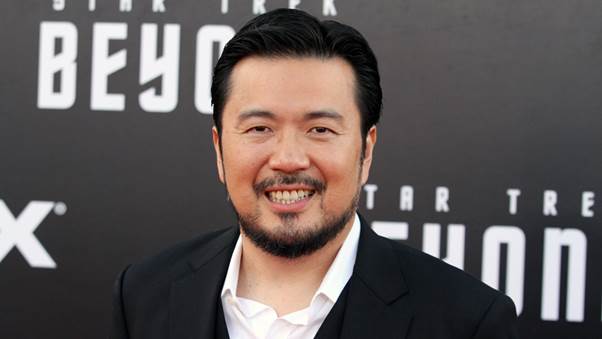
In Hollywood, few directors have managed to combine storytelling with adrenaline quite like Justin Lin. With a net worth estimated at $50 million, Lin stands as one of the most influential figures in modern blockbuster cinema. His creative vision didn’t just revive the Fast & Furious franchise—it transformed it into a global juggernaut worth billions.
Yet Justin Lin’s story is far more than a tale of fast cars and explosive chases. It’s about perseverance, cultural representation, and a deep belief in the power of film to unite people across the globe. From his modest upbringing to becoming one of the most sought-after directors in Hollywood, Lin’s journey reflects both the challenges and triumphs of an immigrant pursuing the American dream.
Early Life and Roots in Storytelling
Justin Lin was born on October 11, 1971, in Taipei, Taiwan. When he was just eight years old, his family immigrated to the United States, settling in Buena Park, California. Growing up in an immigrant household wasn’t easy. His parents ran a small fish and chips shop in Anaheim, and like many immigrant families, they worked long hours to build a better life.
As a young boy, Lin quickly became fascinated by American pop culture. He grew up watching movies by filmmakers like Steven Spielberg, Martin Scorsese, and Akira Kurosawa. But unlike most kids who simply enjoyed the spectacle, Lin saw storytelling as a form of cultural expression. He noticed that Asian Americans were either invisible or reduced to stereotypes on screen—a problem that would deeply influence his future career choices.
That desire to tell authentic stories became the foundation of his journey. When Lin later enrolled at UCLA Film School, he found himself surrounded by students with wealthier backgrounds and better resources. But what Lin lacked in money, he made up for with creativity, discipline, and determination.

The Early Struggles: Making Films on a Shoestring
Every filmmaker starts with a dream, but Justin Lin started with a challenge. In the late 1990s, Hollywood wasn’t exactly looking for stories about Asian Americans. Studios wanted action, romance, and big stars—not heartfelt stories about immigrant families.
Undeterred, Lin decided to make his own mark. In 2002, he directed “Better Luck Tomorrow,” an indie film about Asian American overachievers who turn to crime. The film was raw, intelligent, and controversial. It was also deeply personal, reflecting Lin’s experiences growing up between two cultures.
Financing the film was a struggle. Lin used his credit cards, borrowed money from friends, and convinced his cast and crew to work for free. He even mortgaged his family’s home to finish the movie—a massive risk that could have ended in disaster.
But his gamble paid off. Better Luck Tomorrow premiered at the Sundance Film Festival, earning standing ovations and rave reviews. When critics questioned whether it was fair to depict Asian Americans as criminals, Lin famously replied, “Why can’t we be complex characters? Why can’t we be human?” That one sentence symbolized his mission—to break stereotypes and prove that representation meant showing people as they truly are, flaws and all.
The film was eventually bought by MTV Films and became a cult classic. More importantly, it established Lin as a filmmaker to watch.
Breaking into the Mainstream
Following his indie success, Justin Lin directed “Annapolis” (2006), a drama starring James Franco and Tyrese Gibson. Though the movie received mixed reviews, it gave Lin valuable experience working with major studios and larger budgets.
But it was his next project that would change everything.

The Fast & Furious Revolution
When Lin signed on to direct “The Fast and the Furious: Tokyo Drift” (2006), the franchise was at a crossroads. The first film had been a surprise hit, but the second installment failed to capture the same energy. Universal Pictures needed a reboot, and they took a chance on Lin.
He brought something fresh to the franchise—a sense of global identity, heart, and high-stakes action. Tokyo Drift wasn’t just about cars; it was about culture, belonging, and identity. Lin shot large portions of the film in Japan, introducing audiences to a new kind of street-racing world that celebrated diversity rather than cliché.
While Tokyo Drift didn’t break box office records initially, it became a fan favorite and introduced key characters, including Han Lue (played by Sung Kang), who became central to the franchise’s emotional core. Lin’s ability to balance character-driven storytelling with jaw-dropping action scenes impressed Universal executives.
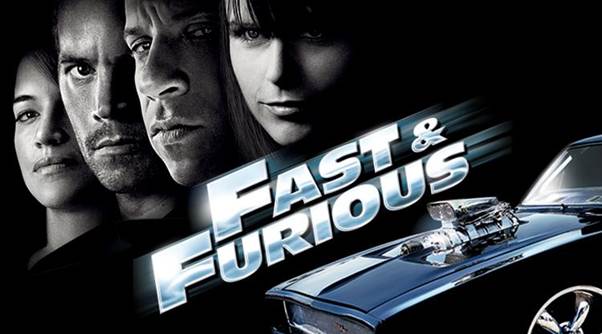
They brought him back for “Fast & Furious” (2009)—and the rest was history.
Building a Billion-Dollar Franchise
Over the next decade, Justin Lin directed some of the most successful entries in the series:
- Fast & Furious (2009)
- Fast Five (2011)
- Fast & Furious 6 (2013)
- F9 (2021)
Each film built upon the last, both financially and creatively. Lin expanded the franchise from street racing to international heist adventures. Under his direction, Fast & Furious transformed into one of the most profitable movie series in history, grossing over $6 billion worldwide.
But more than money, Lin gave the franchise something it lacked before—emotional depth. He crafted strong family themes, nuanced character relationships, and global representation. For many fans, the “family” dynamic that became the series’ hallmark came directly from Lin’s influence.
By the time he completed Fast & Furious 6, Lin had become one of Hollywood’s top-grossing directors. His directing fees, backend profit shares, and producing credits combined to push his net worth toward $50 million.
Beyond Fast Cars: Expanding His Creative Universe
After stepping away from the Fast & Furious franchise in 2013, Lin sought new creative challenges. He directed “Star Trek Beyond” (2016), the third installment in the rebooted Star Trek series. True to form, he brought energy, humor, and heart to the film, earning strong reviews and over $343 million worldwide.
Lin’s success with both Fast & Furious and Star Trek placed him in a rare category: a director who could handle massive franchises while maintaining creative authenticity. That balance allowed him to take risks on smaller, more personal projects.
He founded Perfect Storm Entertainment, his own production company, which focuses on creating films and television projects that highlight multicultural stories and new voices in entertainment. Through this venture, Lin became not only a director but also a mentor and investor in diverse storytelling.
His company has produced projects for Netflix, Apple TV+, and other streaming platforms—an increasingly important part of his growing net worth.
Financial Breakdown: The $50 Million Fortune
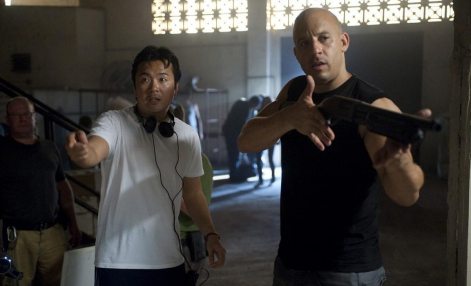
Justin Lin’s estimated net worth of $50 million comes from a combination of directing, producing, and smart business ventures. His career spans over two decades, during which he’s managed to balance artistic vision with commercial success.
Key income sources include:
- Directing fees: For major blockbusters like Fast & Furious 6, Lin reportedly earned between $10–15 million per film.
- Producer royalties: As a recurring producer on later Fast installments, Lin continues to earn backend profits.
- Perfect Storm Entertainment: His company has lucrative deals with Universal and major streaming services.
- Endorsements and consulting: Lin also works as a creative consultant for international co-productions and new filmmakers.
Despite his fortune, Lin is known for being humble and grounded. He often emphasizes that his success isn’t about wealth but about opportunity—the ability to tell stories that matter.
Challenges and Setbacks
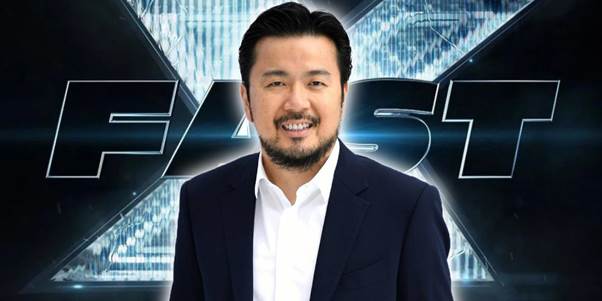
Every career, no matter how successful, has its hurdles. For Justin Lin, one of the biggest came in 2022 when he stepped down as director of “Fast X”, the tenth installment of the franchise. Reports cited creative differences and production stress as contributing factors.
Walking away from such a high-profile project was risky. But for Lin, integrity mattered more than fame. His decision underscored his commitment to maintaining a positive creative environment and protecting his mental health—a topic many in the industry avoid discussing.
Even so, he remained an executive producer on Fast X and continued to shape the broader universe of the franchise he helped build.
Cultural Legacy and Representation
One of Justin Lin’s greatest contributions to film isn’t just his box office success—it’s his role in transforming how Asian Americans are seen in Hollywood. Before Lin, there were few mainstream directors of Asian descent leading billion-dollar franchises. His success opened doors for others, including Destin Daniel Cretton (Shang-Chi) and Jon M. Chu (Crazy Rich Asians).
Lin has repeatedly said that representation isn’t about checking boxes—it’s about creating authentic characters and stories that reflect real life. Through his films, he has made diversity feel natural, not performative.
Personal Life and Values
Despite his fame, Justin Lin maintains a low-profile personal life. He is married to Crystal Lin, and the couple has a son. They live a quiet life, splitting time between Los Angeles and the Bay Area.
Friends describe him as humble, loyal, and deeply reflective. Lin often visits film schools to talk with students, offering advice about perseverance and creative courage. He emphasizes that filmmaking isn’t about luxury—it’s about connection. “If one person feels less alone after watching your movie,” he once said, “then you’ve succeeded.”
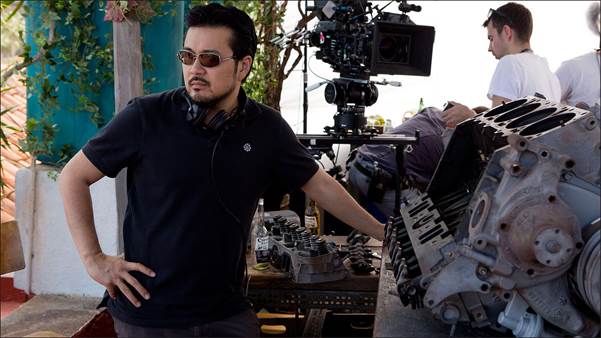
The Broader Impact: Redefining Blockbuster Cinema
Justin Lin’s influence on modern filmmaking can’t be overstated. He redefined what a “blockbuster” could be. Under his direction, the Fast & Furious saga became more than just fast cars—it became a global family united by loyalty and courage.
His approach to storytelling—balancing character emotion with large-scale spectacle—has influenced countless filmmakers who now see action films as opportunities for deeper narratives. His focus on inclusion also reshaped Hollywood’s understanding of what audiences want: not stereotypes, but authenticity.
Future Endeavors
Looking ahead, Justin Lin shows no signs of slowing down. He continues developing projects through Perfect Storm Entertainment, including international co-productions that connect Hollywood with Asian cinema.
He’s also exploring new genres, including sci-fi dramas and original streaming series. With studios investing heavily in streaming content, Lin’s versatility ensures that his financial success will likely continue to grow.
If his past work is any indication, his next projects will blend humanity with heart-stopping excitement—reminding us that the best stories are the ones that move both the mind and the soul.
Justin Lin’s $50 million net worth is a testament to more than just his filmmaking talent. It represents perseverance, creativity, and a lifelong dedication to telling stories that matter. From risking everything on Better Luck Tomorrow to commanding billion-dollar franchises, Lin’s journey has been one of vision and grit.
But beyond the glitz of Hollywood, his legacy lies in what he represents: hope. Hope for aspiring filmmakers from underrepresented backgrounds, hope for stories that unite cultures, and hope that art can still drive change in a profit-driven industry.
Justin Lin may have built an empire of fast cars and furious action, but his real triumph is in the way he steered cinema toward inclusion, authenticity, and emotional truth. His story reminds us that success is not just about wealth—it’s about purpose, integrity, and the courage to dream big, even when the world tells you otherwise.