
In an era where digital transformation is reshaping every corner of the travel industry, Lufthansa Group has taken another confident step forward. The airline giant has announced that its New Distribution Capability (NDC) fares will now be made available through APG, a well-known global distribution and sales partner for airlines.
While this may sound like a technical move meant only for travel insiders, its impact goes far beyond system upgrades — it’s a sign of how air travel retailing is changing, how airlines are reconnecting with travel agents, and how passengers could soon see the difference in pricing, flexibility, and service.
The Heart of the Announcement
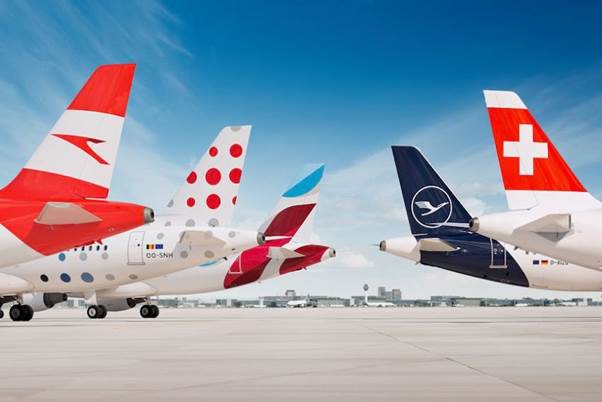
Lufthansa Group — which includes Lufthansa, SWISS, Austrian Airlines, Brussels Airlines, Air Dolomiti, and Discover Airlines — has chosen APG to distribute its full range of NDC fares. Through this collaboration, travel agents worldwide who use the APG Platform will be able to access Lufthansa Group’s rich content directly, without depending solely on traditional global distribution systems (GDS).
This means that agents will gain access to more complete fare options, including those that were previously available only through Lufthansa’s own direct channels. Beyond ticket prices, it also opens doors to ancillary products like seat selection, extra baggage, or meal upgrades — all bookable and serviceable in one place.

What Exactly Is NDC?
To understand the significance, it helps to know what NDC actually is.
NDC, short for New Distribution Capability, is a travel industry standard introduced by IATA (the International Air Transport Association). It’s designed to replace older, inflexible booking systems with a smarter, more dynamic technology that allows airlines to present richer, more personalized offers to customers.
In simpler terms, think of NDC as the difference between buying a fixed package deal and browsing an online store that lets you mix and match exactly what you want — and see the total cost upfront.
Instead of airlines sending limited fare data through older channels, NDC enables them to share real-time pricing, tailored bundles, and complete service options directly with agencies and travelers.
Why Lufthansa’s Partnership with APG Matters
Lufthansa Group has been one of the earliest and strongest advocates of NDC, investing heavily in direct sales technology over the past decade. Partnering with APG adds an important layer — it expands access.
APG works with hundreds of airlines globally, particularly supporting those that want a cost-effective way to reach new travel agencies or markets. By connecting Lufthansa’s NDC content to the APG Platform, smaller or non-IATA travel agencies (those without formal airline accreditation) can now sell the same wide range of fares and ancillaries as larger competitors.
For Lufthansa, this is both a business and a strategic move:
- It broadens distribution reach into emerging or regional markets.
- It reduces dependence on legacy GDS systems, which often come with high costs and limitations.
- It strengthens relationships with travel agencies by offering them better tools and more content.
For APG, it reinforces the company’s growing position as an NDC aggregator — a platform that helps bridge airlines and travel agents using new-age digital connectivity.

A Win for Travel Agents
For travel agencies, the benefits are immediately clear. Many have long complained about missing fare content or restrictions when using traditional GDS channels.
Now, through APG’s interface, they can:
- View complete fare families including Economy Light, Premium Economy, Business Saver, and more.
- Book ancillary services like seat reservations, lounge access, or baggage upgrades without switching systems.
- Handle after-sales tasks such as ticket changes or refunds through the same platform.
- Access real-time updates on availability and pricing — something legacy systems often struggled to deliver.
Essentially, NDC levels the playing field for agencies. Whether they’re large corporate travel managers or small independent agents, they can now offer clients the same comprehensive set of Lufthansa Group options that used to be reserved for direct online channels.

The Ripple Effect for Passengers
Even though passengers may never directly interact with NDC technology, they will feel its impact.
More competition among travel agencies means more transparent pricing and greater choice. A traveler searching for flights through an agency using APG will now see not only the lowest fare but also bundled options that include extras — such as checked bags or seat selection — presented in a clear and understandable way.
This could also bring back something travelers have missed: the personal touch of a human agent, now armed with the same technology and flexibility as an airline’s own website.
Moreover, since airlines can customize their offers through NDC, passengers might start seeing tailored deals based on travel history or preferences — for example, business travelers getting bundled lounge access or leisure travelers receiving family seat offers.
In other words, the buying experience is becoming more like modern e-commerce — dynamic, transparent, and tailored.

A Broader Industry Shift
Lufthansa Group’s collaboration with APG is not an isolated move but part of a much bigger transformation in the global aviation ecosystem.
For decades, airlines relied heavily on Global Distribution Systems like Amadeus, Sabre, or Travelport. These systems worked well for many years but offered limited flexibility and often came with high distribution costs.
NDC changes that balance by giving airlines more control over their products and direct relationships with their customers and travel agents. It’s a shift from selling “tickets” to selling “experiences.”
By partnering with APG, Lufthansa is sending a strong message that modern airline retailing should be accessible to everyone — not just tech-heavy corporate agencies.
This also pressures competitors to move faster in expanding their own NDC programs, ensuring they don’t get left behind as distribution channels evolve.
Overcoming the Challenges
That said, the transition isn’t without its hurdles. Implementing NDC requires both airlines and agencies to update their technology, retrain staff, and adapt to new processes.
Some smaller agencies worry about the complexity of servicing NDC bookings or dealing with post-purchase changes. Others question whether all fare types will truly remain competitive across channels.
Lufthansa and APG appear aware of these concerns. APG’s platform is designed with a user-friendly interface that minimizes technical friction, while Lufthansa Group has been steadily refining its NDC program for years to improve reliability, integration, and after-sales functionality.
It’s an evolving process, but one that increasingly looks inevitable.

Looking Ahead
As more airlines adopt NDC and expand through partners like APG, the way travel is sold and managed will look very different in a few years.
Airlines will enjoy greater flexibility to innovate their offers — think real-time discounts, bundled services, or instant upgrades. Agencies will have more power to compete on quality rather than just price. And passengers will enjoy more choice and transparency than ever before.
For Lufthansa Group, this partnership is more than a distribution deal — it’s a statement about the airline’s long-term vision: a travel ecosystem built on openness, technology, and customer-centric retailing.
The days of static airfares and limited visibility are giving way to a smarter, faster, and more connected travel experience. With this move, Lufthansa Group and APG are helping lead the charge toward that future.
Lufthansa Group’s decision to make NDC fares available through APG is a quiet revolution that will soon echo across the industry. It bridges technology and accessibility, opening the door for more agencies to engage, more passengers to benefit, and more innovation to flourish.
It’s not just about how tickets are sold — it’s about how travel itself is evolving.