

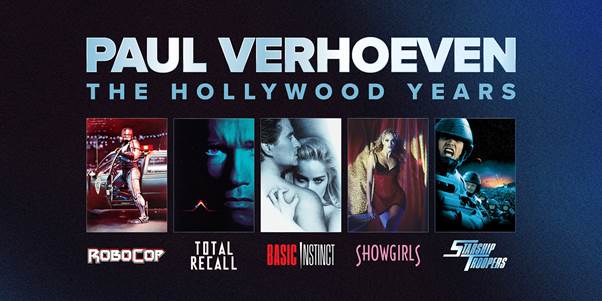
Verhoeven, the Dutch filmmaker renowned for his bold storytelling and provocative cinematic style, has built a legacy that stands as one of the most fascinating in the world of international cinema. With a net worth of approximately $25 million, Verhoeven’s career spans over five decades and bridges two continents — Europe and Hollywood. Known for films like RoboCop, Total Recall, Basic Instinct, and Starship Troopers, Verhoeven is celebrated for pushing creative boundaries, blending satire with science fiction, and exploring the darker side of human nature.
Yet, beneath the glamour of box office success and controversy lies the story of a man deeply committed to his craft. His journey from postwar Netherlands to the heights of Hollywood success is not just a financial triumph but also a reflection of artistic courage and cultural influence.
This article delves into Paul Verhoeven’s career, wealth, achievements, and the artistic choices that made him one of the most polarizing yet respected filmmakers in history.
Early Life and Education
Paul Verhoeven was born on July 18, 1938, in Amsterdam, Netherlands, during one of the most turbulent periods in European history. Growing up during World War II, Verhoeven witnessed the Nazi occupation of his homeland firsthand. These early experiences — marked by fear, violence, and resilience — would later echo throughout his films, many of which explore themes of power, corruption, and survival.
After the war, Verhoeven developed a passion for art, literature, and science. He studied mathematics and physics at Leiden University, earning a degree in physics before shifting his focus to filmmaking. His scientific background would later shape the precision and realism in his work, especially in science fiction films like RoboCop and Total Recall.
Verhoeven’s fascination with storytelling began with documentaries and short films, many of which caught the attention of Dutch television networks. His early projects demonstrated a keen eye for human psychology and societal critique — traits that would become hallmarks of his directing style.
Career Beginnings in the Netherlands
Before Hollywood came calling, Paul Verhoeven established himself as one of the Netherlands’ most important filmmakers. In the 1970s, he directed several notable Dutch films, including Turkish Delight (1973), Katie Tippel (1975), and Soldier of Orange (1977).
Turkish Delight, starring Rutger Hauer, became a landmark in Dutch cinema. It was nominated for an Academy Award for Best Foreign Language Film and later named the best Dutch film of the 20th century by the Netherlands Film Institute. Its mix of eroticism, emotional intensity, and social realism set the tone for Verhoeven’s future works.
By the time he released Soldier of Orange, Verhoeven was already known for his fearless storytelling. The film, a World War II drama based on true events, cemented his reputation as a director unafraid to tackle controversial and politically charged subjects.
These early successes not only brought him national fame but also paved his path to international recognition.
Breakthrough in Hollywood
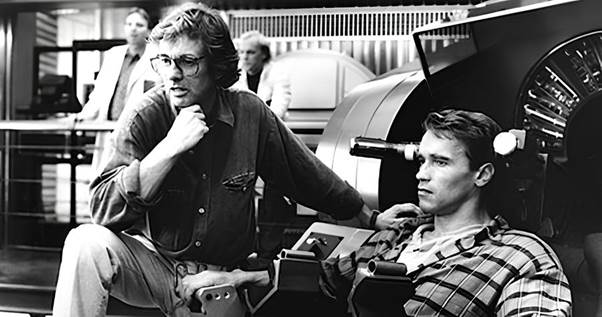
Paul Verhoeven moved to Hollywood in the mid-1980s — a transition that many European directors struggled with. However, Verhoeven thrived. His first major American film, RoboCop (1987), became a massive hit and a cultural phenomenon.
Blending action, science fiction, and biting satire, RoboCop explored corporate greed, dehumanization, and moral decay. On the surface, it was a thrilling action movie about a cyborg police officer. Beneath that, it was a sharp critique of American capitalism and technology’s impact on society. The film grossed over $50 million domestically and established Verhoeven as a new voice in Hollywood — one capable of combining blockbuster entertainment with intellectual commentary.
He followed this success with Total Recall (1990), starring Arnold Schwarzenegger. The film’s stunning visual effects, complex plot, and philosophical undertones made it one of the defining sci-fi films of the 1990s. It grossed more than $260 million worldwide and won an Academy Award for Visual Effects, adding significantly to Verhoeven’s wealth and reputation.

The Peak of Fame: Basic Instinct and Controversy
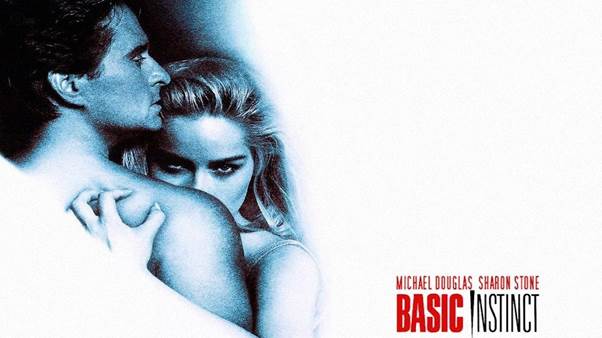
In 1992, Verhoeven directed Basic Instinct, one of the most talked-about films of the decade. Starring Sharon Stone and Michael Douglas, the erotic thriller became both a box office smash and a lightning rod for controversy.
The film grossed over $350 million worldwide, making it one of the highest-grossing movies of its era. For Verhoeven, it was a career-defining moment — the perfect blend of suspense, sexuality, and psychological manipulation.
However, the movie also sparked heated debates about gender representation and sexual politics. Critics accused Verhoeven of exploiting female sexuality, while others praised him for challenging social taboos and creating complex, powerful female characters.
Regardless of the controversy, Basic Instinct solidified Verhoeven’s status as one of Hollywood’s most daring filmmakers. His earnings from the film, including profit shares and royalties, became a major part of his growing fortune.
Experimentation and Decline: Showgirls and Starship Troopers
Following Basic Instinct, Verhoeven took another creative risk with Showgirls (1995). The film, starring Elizabeth Berkley, was intended as a provocative exploration of ambition and the dark side of fame. However, it was panned by critics and became one of Hollywood’s most infamous box office flops.
Although Showgirls initially damaged Verhoeven’s reputation, it later achieved cult status. Today, the film is seen as a misunderstood satire of the entertainment industry — another example of Verhoeven’s ability to blur the line between art and exploitation.
He bounced back in 1997 with Starship Troopers, a sci-fi war film that combined thrilling action with a scathing critique of militarism and propaganda. Though critics were divided at the time, the movie has since been reevaluated as a masterpiece of political satire.
Starship Troopers earned over $120 million globally and reinforced Verhoeven’s talent for making films that both entertain and provoke thought.

Return to Europe and Artistic Reinvention
After spending nearly two decades in Hollywood, Paul Verhoeven returned to Europe in the early 2000s. Frustrated by the studio system and its creative constraints, he sought greater freedom in his storytelling.
His European comeback began with Black Book (2006), a gripping World War II drama about a Jewish resistance fighter in Nazi-occupied Netherlands. The film received international acclaim and grossed over $27 million worldwide — an impressive figure for a Dutch-language movie.
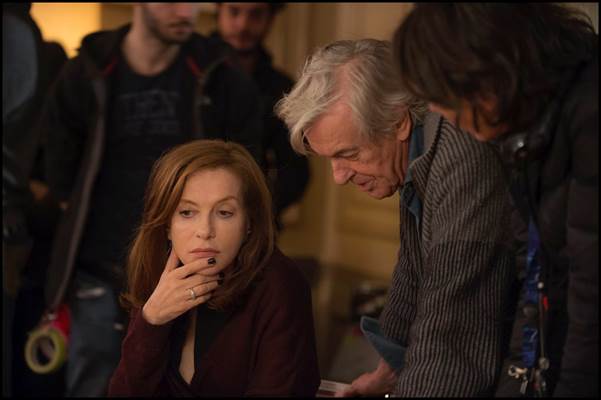
Verhoeven’s success continued with Elle (2016), a psychological thriller starring Isabelle Huppert. The film was hailed as a masterpiece and earned Huppert an Academy Award nomination. Elle also won the Golden Globe for Best Foreign Language Film, proving that Verhoeven remained one of cinema’s most fearless storytellers even in his later years.
His decision to return to Europe allowed him to work on smaller, more personal projects while maintaining financial stability through royalties, residuals, and international distribution deals.
Sources of Wealth
Paul Verhoeven’s $25 million net worth has been built through a combination of filmmaking success, long-term royalties, and smart investments. His wealth stems from multiple income streams:
- Film Earnings: As both a director and producer, Verhoeven has earned millions from major hits like Basic Instinct, Total Recall, and Starship Troopers.
- Royalties and Residuals: Many of his films continue to generate revenue through streaming, television licensing, and home media.
- European Productions: Verhoeven’s later films, such as Black Book and Elle, have been financially successful within the European market.
- Real Estate and Investments: Like many Hollywood veterans, Verhoeven has reportedly invested in property and European film ventures, contributing to his long-term financial stability.
Despite his wealth, Verhoeven is known for his modest lifestyle. He prefers intellectual pursuits and family life to Hollywood extravagance, often living between Amsterdam and Los Angeles.
Artistic Vision and Legacy
Paul Verhoeven’s influence extends beyond box office numbers. His films often confront uncomfortable truths about human nature, power, and morality. Whether set in futuristic dystopias or grounded in contemporary reality, his stories force audiences to question authority, media influence, and the blurry boundaries between good and evil.
Few directors have managed to balance commercial success with such bold thematic exploration. His ability to blend graphic violence, sexuality, and satire has inspired generations of filmmakers, from Quentin Tarantino to Neill Blomkamp.
Moreover, Verhoeven’s work paved the way for a new understanding of how European artistry can thrive in Hollywood without compromising authenticity. His career proves that cinema can be both entertaining and intellectually challenging.
Personal Life
Paul Verhoeven has been married to Martine Tours since 1967, and the couple has two daughters. He values privacy and has kept his family life largely away from media attention.
Despite being in his 80s, Verhoeven remains active in the film world. His passion for storytelling continues to drive him, and he has expressed interest in directing more projects that challenge moral conventions and explore the human psyche.
Recent Work and Continuing Influence
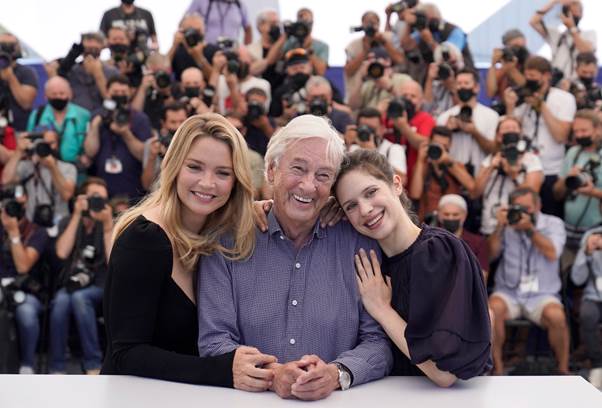
In 2021, Verhoeven released Benedetta, a provocative historical drama about a 17th-century nun entangled in faith, desire, and power. The film premiered at the Cannes Film Festival and once again divided audiences — a typical response to Verhoeven’s fearless storytelling.
Even after decades in the industry, he continues to spark conversation and controversy. His films are taught in universities and analyzed in academic circles for their social, political, and psychological depth.
For Verhoeven, wealth and fame have never been the ultimate goals. His true success lies in artistic freedom — the ability to create cinema that challenges and endures.
Paul Verhoeven’s $25 million net worth reflects more than financial success; it represents a lifetime of innovation, risk-taking, and resilience. From postwar Europe to Hollywood superstardom, he has remained uncompromising in his artistic vision.
Through films that provoke, entertain, and disturb, Verhoeven has redefined what cinema can be — a mirror to society’s contradictions and a lens into humanity’s darker instincts. His work continues to influence filmmakers worldwide and remind audiences that great art is rarely safe, but always worth watching.