

In the global theater of diplomacy, the United States Secretary of State operates from a position of unparalleled influence. This individual is the face of American power abroad, a negotiator in war zones, a signatory to historic treaties, and the President’s chief advisor on the world’s most volatile crises. The role demands a unique blend of intellectual rigor, political savvy, and physical stamina, involving constant international travel and the immense pressure of representing the interests of a superpower. It is, by any measure, one of the most consequential and demanding jobs on the planet.
Yet, for all its grandeur and global significance, the compensation for this office remains a fixed, public figure that pales in comparison to the private-sector earnings of many who have held the post. The salary is not determined by market forces or performance bonuses but by a congressional pay scale, reflecting a long-standing American tradition that public service is a calling, not a path to wealth.
The Executive Pay Scale: A $235,600 Cap
As of 2025, the annual salary for the U.S. Secretary of State is set at $235,600. This figure is established by the U.S. Office of Personnel Management as part of the Executive Schedule, the standardized pay system for the nation’s highest-ranking federal officials. The Secretary of State occupies a “Level I” position on this scale, which is the highest possible rank.
While this places the Secretary among the best-compensated officials in the federal government, it is notably less than the President’s $400,000 annual salary and slightly less than the Vice President’s $261,400. This pay structure underscores a deliberate hierarchy within the executive branch. Furthermore, this salary is often a fraction of what a former corporate CEO or a high-profile lawyer—common backgrounds for modern Secretaries—could command in the private sector.
The Real Compensation: Influence and Legacy
To view the Secretary of State’s role through the narrow lens of its annual salary is to miss the broader picture of its true value. The compensation for this job is measured in a currency far more significant than dollars: it is measured in global influence and historical impact.
The Secretary operates from the seventh floor of the Harry S. Truman Building, directing a vast global apparatus comprising nearly 300 diplomatic posts and over 70,000 employees.
For many who accept the role, the attraction is not financial gain but the opportunity to leave a permanent mark on world history. The legacy of a successful Secretary of State is a form of compensation that no corporate bonus can match.
A History of High-Profile Servants
The list of individuals who have served as Secretary of State often includes those who have left immensely lucrative careers to accept the pay cut. The modern era is replete with examples:
- Rex Tillerson, the former CEO of ExxonMobil, took a monumental reduction from a compensation package that regularly exceeded $20 million per year to accept the Secretary’s salary
- Hillary Clinton and John Kerry, both prominent lawyers and authors, likely sacrificed significant earning potential during their tenures.
- Mike Pompeo, a former congressman and business owner, and Antony Blinken, a veteran of law firms and strategic consultancies, similarly entered public service from fields with high financial ceilings.
This trend highlights a key aspect of the role: it typically attracts individuals who have already achieved significant financial security. The motivation to serve is driven by a desire for public impact and a place in history, not a government paycheck.
The Current Landscape: Marco Rubio’s Tenure
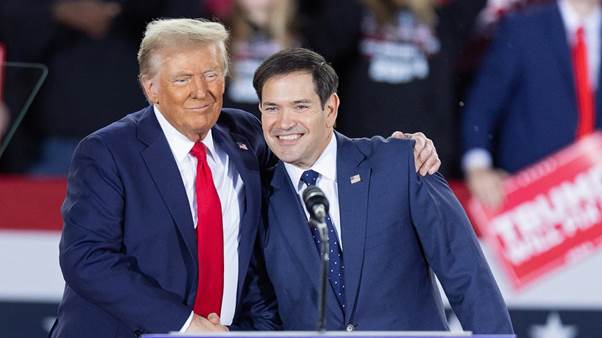
The current Secretary of State, Marco Rubio, exemplifies this dynamic. As a seasoned U.S. Senator, his congressional salary was $174,000. His move to the State Department thus comes with a significant raise in governmental terms, though it remains a fraction of what he could likely earn in the private sector through speaking engagements, board positions, or a role in a think tank.
His tenure is poised to be defined by a hawkish, pragmatic approach to diplomacy, focusing on strategic competition with China, managing ongoing conflicts in Europe and the Middle East, and reassessing America’s role in international institutions. The weight of these challenges is immense, and the compensation for managing them remains, as it has for decades, a modest annual salary that symbolizes the ethos of public service over personal profit.
In the end, the story of the Secretary of State’s salary is a story about American values. It is a deliberate statement that the most powerful roles in the nation’s government are not meant to be avenues for wealth accumulation. They are positions of trust, responsibility, and duty—where the real payoff is the chance to shape the world, not one’s personal bank account.